
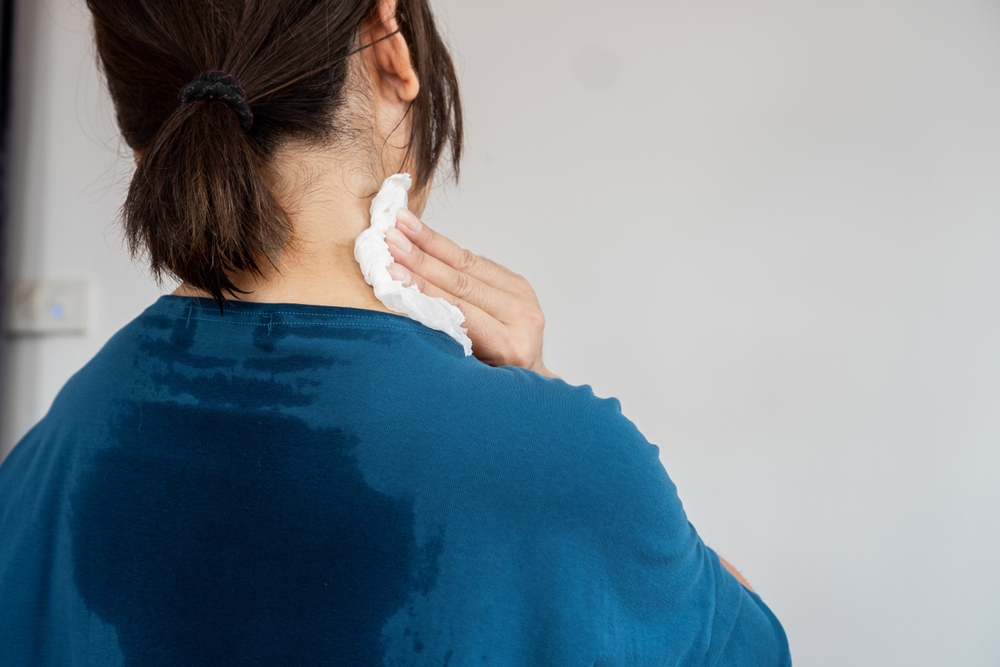
Hyperhidrosis is a medical condition characterized by excessive sweating that significantly exceeds what your body needs for temperature control. You may have it if you experience constant moisture on palms that interferes with simple tasks, or persistent wetness on the soles of feet that creates discomfort throughout the day. This medical condition affects approximately 3% of Americans, causing sweat production that exceeds the body’s needs for temperature control by four to five times normal levels. Understanding the distinction between ordinary sweating and excessive medical sweating helps people know when to see a doctor and access effective treatment options.
Overview: Recognizing and Understanding Hyperhidrosis
- Hyperhidrosis represents a real medical condition that needs a doctor’s evaluation rather than simply stronger over-the-counter products, affecting specific body areas like palms, soles, underarms, or face through overactive sweat glands
- Primary and secondary hyperhidrosis differ fundamentally in their causes, with primary forms beginning before age 25 without underlying disease, while secondary forms develop from identifiable medical conditions, medications, or hormonal changes
- Specific diagnostic criteria distinguish medical sweating from normal perspiration, including focal visible excessive sweating lasting six months, bilateral symmetrical distribution, weekly episodes, and cessation during sleep
- Multiple treatment options exist ranging from prescription aluminum chloride preparations and botulinum toxin injections to iontophoresis, microwave therapy, and surgical interventions depending on severity and affected areas
- A dermatologist can identify underlying causes and create customized treatment plans addressing both physical symptoms and quality of life impacts including social anxiety and occupational limitations
About Hyperhidrosis: Who, What, Where, When, and Why
Hyperhidrosis affects people across all demographics, though symptoms typically emerge before age 25 in primary forms of the condition. Research indicates that 30-50% of patients report family history of excessive sweating, suggesting genetic components in sympathetic nervous system regulation. The condition shows no racial or ethnic predilection, affecting men and women equally, though social and cultural factors may influence treatment-seeking behaviors. Approximately 2.8% of the US population experiences this medical condition, with many cases remaining undiagnosed due to embarrassment or misconceptions about available treatments.
How the condition works involves overactivity in the sympathetic nervous system, specifically affecting nerve fibers that trigger sweating and stimulate sweat glands concentrated in palms, soles, underarms, and facial regions. Primary focal hyperhidrosis develops without identifiable cause, producing bilateral and relatively symmetrical sweating patterns that rarely occur during sleep. Secondary hyperhidrosis results from underlying conditions including thyroid problems, diabetes, neurological disorders, infections, or medications like certain antidepressants and blood pressure treatments.
You should see a doctor when excessive sweating significantly impairs daily activities, causes emotional distress, or accompanies other symptoms suggesting underlying medical conditions. Early intervention prevents secondary complications including skin infections, contact dermatitis, and social withdrawal while providing access to treatment options unavailable through self-management approaches.
Weighing Professional Treatment vs. Self-Management Approaches
Arguments Supporting Professional Medical Evaluation:
A dermatologist provides access to prescription-strength treatments and advanced procedures that dramatically exceed over-the-counter product effectiveness. Botulinum toxin injections achieve 80-90% reduction in axillary sweating for 6-12 months, while prescription aluminum chloride preparations containing up to 20% active ingredients provide relief in 70-80% of patients with mild to moderate symptoms. These medical interventions target sweat gland activity through mechanisms unavailable in commercial products.
Professional diagnosis identifies secondary hyperhidrosis caused by thyroid disease, diabetes, neurological conditions, or malignancies that require specific treatment. Sudden onset of excessive sweating in adults over 40 years old, particularly when accompanied by night sweats, weight changes, or other systemic symptoms, requires thorough testing to rule out serious underlying conditions. Studies show that ruling out these conditions prevents delayed diagnosis and ensures appropriate management.
Early intervention addresses psychological impacts including social anxiety, depression, and occupational limitations commonly reported by hyperhidrosis patients. Professional treatment plans combine multiple treatments—prescription topical agents, botulinum toxin injections, oral medications, and procedural interventions—getting better results through customized approaches based on severity, distribution patterns, and individual response to therapies.
Arguments Supporting Conservative Self-Management:
Mild hyperhidrosis cases may respond adequately to over-the-counter clinical-strength antiperspirants containing 10-15% aluminum chloride, lifestyle modifications including breathable natural fabrics and moisture-wicking materials, and behavioral strategies like stress management techniques. These approaches avoid medical costs, potential side effects from prescription treatments, and time investment required for multiple dermatology appointments.
Some degree of perspiration variation exists normally among individuals, and not all increased sweating requires medical intervention. Situational sweating related to specific triggers like spicy foods, caffeine, or temporary stressors may resolve through dietary adjustments and environmental modifications without professional treatment. Distinguishing between occasional excessive sweating and chronic, debilitating hyperhidrosis helps individuals make appropriate decisions about seeking evaluation.
Cost is a real concern, particularly for advanced procedures. Botulinum toxin injections range from $300-800 per treatment session with effects lasting 6-12 months, requiring ongoing maintenance and repeat procedures. Microwave therapy costs $2000-3000 for complete treatment series. Insurance coverage varies significantly, and some patients may prioritize conservative management given financial considerations alongside treatment risks and potential side effects.
Medical Summary: Defining and Classifying Hyperhidrosis
Hyperhidrosis is defined as excessive sweating that significantly exceeds the body’s needs for temperature control, affecting approximately 3-5% of the global population. The American Academy of Dermatology classifies the condition into primary focal hyperhidrosis, occurring without identifiable underlying cause and typically affecting specific body areas symmetrically, and secondary hyperhidrosis, resulting from medical conditions, medications, or hormonal changes and often causing generalized sweating patterns.
Primary focal hyperhidrosis usually begins before age 25, follows bilateral and relatively symmetrical distribution patterns, and rarely occurs during sleep. The condition involves overactivity of sweat glands through heightened sympathetic nervous system stimulation, producing sweat volumes four to five times greater than normal individuals. Genetic factors play significant roles, with familial clustering observed in 30-50% of cases suggesting inherited variations in autonomic nervous system regulation.
Cleveland Clinic research indicates that axillary hyperhidrosis represents the most common presentation, affecting approximately 51% of patients with focal forms, followed by palmar hyperhidrosis at 25%, plantar hyperhidrosis at 29%, and craniofacial hyperhidrosis at 22%. Each distribution pattern presents distinct functional challenges, with palmar hyperhidrosis particularly impacting professional activities requiring manual dexterity and social interactions involving shaking hands.
Treatment approaches follow stepped progression from conservative topical therapies to advanced interventions. First-line treatments include prescription aluminum chloride preparations applied to dry skin before bedtime, achieving success in 70-80% of mild to moderate cases. Second-line options include botulinum toxin injections providing 80-90% sweat reduction for 6-12 months, and oral anticholinergic medications for generalized symptoms. Advanced treatments include iontophoresis using electrical current to temporarily disable sweat glands, microwave therapy permanently destroying underarm sweat glands, and surgical procedures like endoscopic thoracic sympathectomy reserved for severe hard-to-treat cases.
Distinguishing Primary from Secondary Hyperhidrosis
The classification between primary and secondary forms determines appropriate diagnostic workup and treatment selection. Primary focal hyperhidrosis accounts for approximately 90% of cases, developing without identifiable medical cause and following characteristic patterns that aid clinical diagnosis. Secondary hyperhidrosis stems from underlying conditions, medications, or physiological changes, requiring investigation and management of root causes rather than symptomatic treatment alone.
Primary hyperhidrosis typically manifests during childhood or adolescence, affects specific body areas bilaterally and symmetrically, and shows clear genetic patterns with family history reported in 30-50% of patients. The sweating occurs predominantly during waking hours, with symptoms rarely appearing during sleep. Emotional triggers including stress, social situations, and anticipatory anxiety frequently worsen symptoms, creating cycles where concern about sweating intensifies perspiration.
Secondary hyperhidrosis develops at any age, often presents with generalized rather than focal distribution, and commonly includes night sweats. The onset may coincide with new medications, development of medical conditions, or hormonal transitions like menopause. Associated symptoms such as weight changes, fatigue, fever, or other systemic signs suggest underlying health problems that need specific treatment beyond sweat management.
Conclusion
Hyperhidrosis represents a real medical condition affecting approximately 3% of Americans through excessive sweat production exceeding the body’s temperature control needs by four to five times normal levels, causing significant impairment in daily activities, social interactions, and occupational functioning. Distinguishing between primary focal hyperhidrosis beginning before age 25 without underlying cause and secondary hyperhidrosis resulting from medical conditions, medications, or hormonal changes guides appropriate diagnostic evaluation and treatment selection. Specific diagnostic criteria including focal visible excessive sweating lasting six months, bilateral symmetrical distribution, weekly episodes, and cessation during sleep help identify individuals needing professional intervention beyond over-the-counter antiperspirants and lifestyle modifications. Multiple effective treatment options exist ranging from prescription aluminum chloride preparations and botulinum toxin injections to iontophoresis, microwave therapy, and surgical interventions, with treatment regimens customized based on severity, affected body areas, and individual response to therapies. Professional dermatological evaluation identifies underlying causes, rules out secondary hyperhidrosis needing specific medical management, and creates treatment plans addressing both physical symptoms and quality of life impacts including social anxiety and occupational limitations commonly experienced by patients with this condition. If you’re in Salt Lake City and need help managing excessive sweating, come by Millcreek Dermatology and see us for a consultation and diagnosis!
Why do I sweat so much?
Excessive sweating happens through overactive nerve fibers stimulating sweat glands beyond your body’s needs, producing moisture in palms, soles, underarms, or face even when cool or resting. About 30-50% of people with primary hyperhidrosis have family members with similar symptoms. Secondary causes include thyroid problems, diabetes, certain medications (like antidepressants or blood pressure drugs), and menopause. Primary hyperhidrosis typically starts before age 25, affects specific areas symmetrically, and rarely occurs during sleep. Secondary forms can develop at any age and often include night sweats.
How to stop sweating so much?
Treatment depends on severity and location. Prescription aluminum chloride (up to 20% strength) applied to dry skin at bedtime helps 70-80% of mild to moderate cases. Botulinum toxin injections reduce armpit sweating by 80-90% for 6-12 months. Iontophoresis uses mild electrical current through water to temporarily disable sweat glands, requiring initial daily sessions then maintenance 1-3 times weekly. Microwave therapy permanently destroys underarm sweat glands in 1-2 sessions. For severe cases, surgery may interrupt nerve signals controlling sweating, though this carries risks like compensatory sweating elsewhere.
Why are my hands always sweaty?
Palmar hyperhidrosis affects about 25% of people with excessive sweating, causing constant palm moisture that interferes with writing, shaking hands, or using devices. It results from overactive sweat glands receiving too much stimulation from nerves. Starting in childhood or adolescence, it worsens during stress or social situations. Some hand sweating is normal stress response, but medical hyperhidrosis occurs even at rest in cool environments, produces visible dripping, and significantly disrupts daily activities. Treatments include prescription creams, iontophoresis, Botox injections, or in severe cases, surgery.
How to get rid of sweaty hands?
Iontophoresis is considered one of the most effective nonsurgical treatments for hand sweating. You place hands in water trays while mild electrical current passes through, temporarily disabling sweat glands. Treatment requires daily 20-30 minute sessions for 2-4 weeks, then maintenance 1-3 times weekly. Home devices make long-term management convenient. Prescription aluminum chloride applied at night with cotton gloves works for milder cases. Botox injections reduce sweating 80-90% for 6-12 months but require 50-100 injections per palm and may cause temporary hand weakness. Surgery permanently stops hand sweating but risks compensatory sweating elsewhere in 80% of patients.
How to stop sweaty feet?
Plantar hyperhidrosis affects about 29% of people with excessive sweating, causing foot moisture that leads to discomfort, fungal infections, and odor. Iontophoresis works best—you place feet in water trays while electrical current passes through, requiring daily sessions for 2-4 weeks then maintenance 1-3 times weekly. Prescription aluminum chloride applied to dry feet at bedtime offers another option. Botox injections help but are painful on feet. Oral medications reduce body-wide sweating but cause side effects like dry mouth and constipation. Surgery remains an option for severe cases despite risks.
Cited Sources
- National Center for Biotechnology Information – Hyperhidrosis
- American Academy of Dermatology – Hyperhidrosis: Signs and symptoms
- Cleveland Clinic – Hyperhidrosis (Excessive Sweating)
- American Family Physician – Hyperhidrosis: Diagnosis and Treatment
- Hopkins Medicine – Excessive Sweating (Hyperhidrosis)
- MedlinePlus – Hyperhidrosis
- PMC – Prevalence and impact of hyperhidrosis
- PMC – Treatment outcomes in hyperhidrosis