A red, itchy rash on the neck is one of the most frustrating skin conditions to deal with. The neck is uniquely vulnerable: it faces constant friction from clothing, runoff from hair products, and daily contact with jewelry and accessories.
So what is it, exactly? Most neck rashes fall into three categories: allergic contact dermatitis, atopic dermatitis, or seborrheic dermatitis. Identifying the right one makes all the difference in treatment.
Before You Scratch Again: 5 Things You Need to Know About Neck Rashes
- Allergic contact dermatitis from hair dyes, metals, and fragrances is the most common cause of neck rashes.
- Atopic dermatitis involves a compromised skin barrier and often requires prescription topical corticosteroids.
- Seborrheic dermatitis stems from Malassezia yeast overgrowth and responds well to antifungal creams.
- Hair product runoff frequently triggers neck rashes but is one of the most overlooked causes during diagnosis.
- Red-flag symptoms such as fever, rapid spread, or difficulty breathing require immediate medical evaluation.
The 3 Most Common Culprits Behind Your Neck Rash (And How to Tell Them Apart)
Not all neck rashes look the same, and they do not all have the same cause. Understanding which type you are dealing with is the first step toward effective relief.
Allergic Contact Dermatitis: The Sneaky Allergen Attack
Allergic contact dermatitis is the leading cause of neck rashes in adults. It is a delayed immune system reaction triggered when the body’s T-cells respond to a sensitizing substance on the skin, causing inflammation at the point of contact.
Common triggers include hair dyes, cobalt metals in jewelry, latex gloves, pet fur, and fragrance-based products. Poison ivy can also reach the neck through indirect contact.
The hallmark sign is a rash with sharp, well-defined borders at the point of contact. It often appears as red, inflamed patches that may blister or weep over time. Patch testing remains the gold standard for identifying the exact allergen responsible.
Atopic Dermatitis: When Your Skin Barrier Breaks Down
Atopic dermatitis on the neck involves both a compromised skin barrier and an overactive immune response. This chronic skin condition often runs in families and tends to follow a persistent, recurring pattern.
Unlike allergic reactions, atopic dermatitis typically has poorly defined borders and presents as dry, scaly patches with intense itching. Staphylococcus aureus colonization is present in more than 90% of patients with atopic dermatitis and commonly worsens symptoms by driving further inflammation and secondary skin infections.
Treatment usually involves a comprehensive care plan that includes topical corticosteroids, hydrocortisone cream, wet wraps, and fragrance-free products. In some cases, bleach baths help reduce bacterial overgrowth on the skin.
Seborrheic Dermatitis: The Yeast Connection You Never Knew About
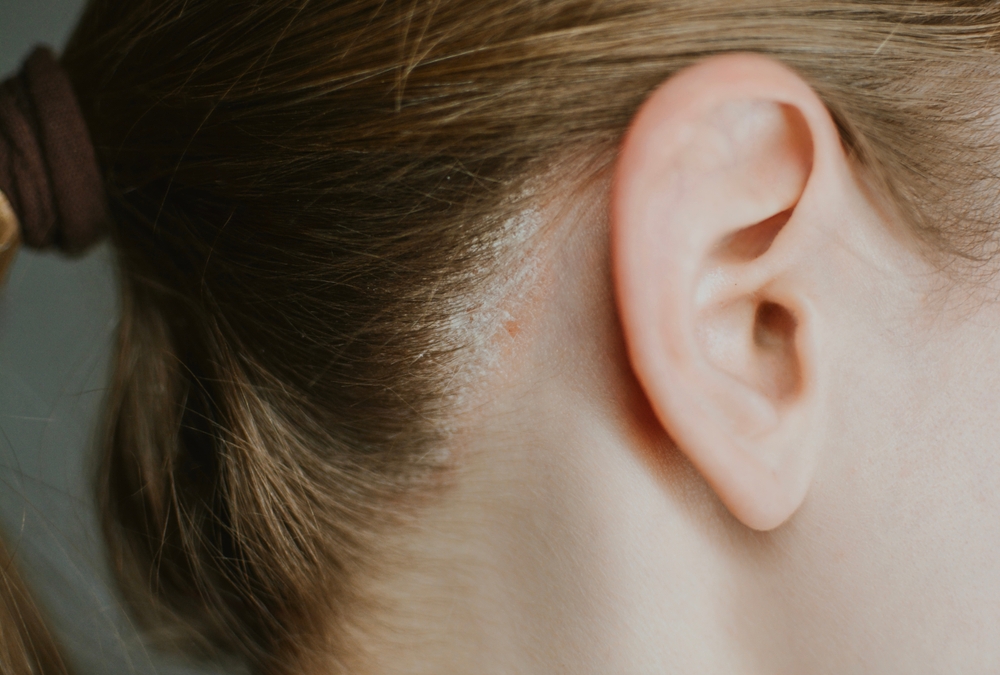
Seborrheic dermatitis results from Malassezia yeast overgrowth, and it commonly affects both the scalp and neck at the same time. The telltale sign is greasy, yellowish scaling that extends from the hairline down onto the neck.
Stress, hormonal changes, and certain medical conditions can all trigger flares. Unlike other forms of eczema, seborrheic dermatitis rarely causes significant itching. It responds well to antifungal creams and specialized topical medications, making early identification important.
5 Red Flag Warning Signs That Demand Immediate Medical Attention
Some symptoms, along with a neck rash, signal something more serious than a skin irritation. Do not wait these out.
- Rapidly spreading rash beyond the neck within hours – This may indicate a systemic allergic reaction or a serious skin infection requiring emergency evaluation.
- Fever accompanying the rash – Fever suggests systemic involvement and could point to conditions like Lyme disease, Kawasaki disease, or a bacterial infection.
- Swollen lymph nodes in the neck – Enlarged lymph nodes may indicate infection, autoimmune diseases, or, in rare cases, cutaneous T-cell lymphoma.
- Difficulty breathing or swallowing – These symptoms suggest possible anaphylaxis and may require an epinephrine auto-injector along with emergency care.
- Unusual skin discoloration (purple, dusky, or darkened areas) – Abnormal color changes can signal vascular involvement or serious systemic conditions.
When any of these symptoms appear, seek care immediately. Breathing difficulties always require an emergency response, not a wait-and-see approach.
Could your hair products be the hidden culprit?
Hair product runoff is one of the most overlooked causes of neck rashes. As shampoos, conditioners, and styling products wash down from the scalp, they can trigger a delayed allergic reaction along the hairline, behind the ears, and down the sides and back of the neck.
- Patch tests help identify specific hair product allergens before symptoms worsen.
- Elimination strategies involve switching to fragrance-free, hypoallergenic products.
- Introduce one new product at a time so triggers can be accurately identified.
Once the allergen is identified, complete avoidance is the most effective path to lasting relief.
The Surprising Role of Diet in Neck Rashes
Diet is not usually a primary driver of neck rashes, but it can be a contributing factor in specific cases. Prurigo pigmentosa, sometimes called “keto rash,” is a distinctive example. It appears as a net-like pattern on the neck and upper chest in people following very low-carbohydrate diets.
High-nickel foods such as chocolate, nuts, and certain grains can also worsen allergic contact dermatitis in people with nickel sensitivity. That said, food allergies rarely cause isolated neck rashes. Most food-related skin reactions involve more widespread symptoms, such as hives.
Evidence-based approaches focus on proven dietary triggers rather than broad elimination diets. Unnecessary food restrictions can lead to nutritional deficiencies without improving skin inflammation.
Home Remedies That Actually Work (vs. Those That Make Things Worse)
Effective At-Home Treatments
- Fragrance-free moisturizers applied twice daily help restore the skin barrier.
- Cool compresses for 10 to 15 minutes reduce active inflammation and itching.
- Gentle cleansing with lukewarm water and a mild, soap-free cleanser helps prevent further irritation.
- Calamine lotion can provide temporary itch relief for mild allergic skin reactions.
- Allergen avoidance by switching to hypoallergenic products is often the most important step.
Common Mistakes That Worsen Neck Rashes
- Over-washing and harsh scrubbing disrupt the skin barrier and worsen inflammation.
- Using multiple new products at once makes it impossible to identify the cause of the reaction.
- Hot water and aggressive towel drying strips protective skin oils and increases irritation.
- Ignoring cross-contamination from hands spreads allergens and bacteria across the affected area.
The instinct to scrub affected skin often does more harm than good. Gentle patting motions for both cleansing and drying protect the skin barrier while it heals.
When Professional Help Becomes Non-Negotiable
Home treatments work well for mild cases, but professional dermatological evaluation becomes essential when symptoms persist beyond two weeks, worsen, or keep coming back. Patch testing remains the only clinically validated diagnostic tool for allergic contact dermatitis and is widely recognized as the gold standard for pinpointing responsible allergens.
Prescription options such as stronger topical corticosteroids, immunosuppressant therapy, or specialized medicated creams may be necessary for chronic conditions. A skin biopsy can also be used to rule out more serious diagnoses. Early professional intervention prevents the chronic skin changes, including permanent skin discoloration or scarring, that are harder to reverse over time.
During a dermatology visit, expect a thorough skin examination, detailed medical history review, and possibly allergy testing or a rash evaluation. Most insurance plans cover medically necessary dermatological care.
Living With a Rash on the Neck Does Not Have to Be Your Normal. Here’s How to Change That.
A rash on the neck rarely goes away on its own without understanding its cause. Whether it is allergic contact dermatitis from a new product, atopic dermatitis triggered by a compromised skin barrier, or seborrheic dermatitis driven by yeast overgrowth, the right diagnosis changes everything about how you treat it. Home remedies can offer real relief for mild cases. But if your rash keeps coming back, spreads, or resists treatment, it is telling you something worth listening to.
At Millcreek Dermatology, our board-certified dermatologists provide thorough skin evaluations, advanced patch testing, and personalized treatment plans built around your specific triggers and skin type. You do not have to keep guessing. Schedule an appointment today and get a clear answer about what is happening with your skin.
FAQs
How long does it take for a neck rash to heal?
Healing time depends on the underlying cause. Most allergic contact dermatitis clears up within one to two weeks with proper allergen avoidance and treatment. Atopic dermatitis may take two to four weeks to show significant improvement with consistent care. Seborrheic dermatitis often responds within days to antifungal treatments, though some people need ongoing maintenance therapy. Identifying and avoiding the trigger is the most reliable way to speed recovery.
Can stress cause rashes on the neck?
Stress does not typically cause rashes directly, but it can make existing conditions noticeably worse. It is a well-known trigger for seborrheic dermatitis and atopic dermatitis flares. Stress weakens the immune system and disrupts the skin barrier, which allows inflammation to take hold more easily. Managing stress through sleep, exercise, and relaxation techniques can complement the medical treatment you are following.
Are neck rashes contagious?
Most neck rashes are not contagious. Allergic contact dermatitis, atopic dermatitis, and seborrheic dermatitis cannot spread from person to person. However, some infectious causes of neck rashes, such as bacterial infections like impetigo or certain fungal infections, can spread through direct contact. If you suspect an infectious rash, avoid sharing towels, clothing, or personal items until you have a confirmed diagnosis.
How much does it cost to see a dermatologist for a neck rash?
Costs vary depending on your insurance coverage, location, and what diagnostic testing is needed. Many insurance plans cover medically necessary dermatology visits, including patch testing when there is a documented need. If you are paying out of pocket, an initial consultation typically ranges from $100 to $300, with additional costs for testing. The earlier you seek care, the less likely you are to need more extensive and costly treatment down the line.
Can I use over-the-counter hydrocortisone cream on my neck rash?
OTC hydrocortisone cream is available without a prescription and may offer temporary relief for mild skin rashes, though a doctor’s advice should guide proper strength and duration. It can help reduce inflammation and itching for mild allergic reactions or eczema flares. Because neck skin is relatively thin, use the lowest effective strength and avoid prolonged use without medical supervision. If symptoms do not improve within a few days or worsen, discontinue use and see our dermatologist for a proper evaluation.
Citations/Sources:
- https://www.ncbi.nlm.nih.gov/books/NBK532866/
- https://www.ncbi.nlm.nih.gov/books/NBK448071/
- https://pmc.ncbi.nlm.nih.gov/articles/PMC11286252/
- https://www.fda.gov/news-events/fda-meetings-conferences-and-workshops/approval-new-patch-tests-diagnosis-allergic-contact-dermatitis-public-workshop-10232025
- https://www.ncbi.nlm.nih.gov/books/NBK424899/