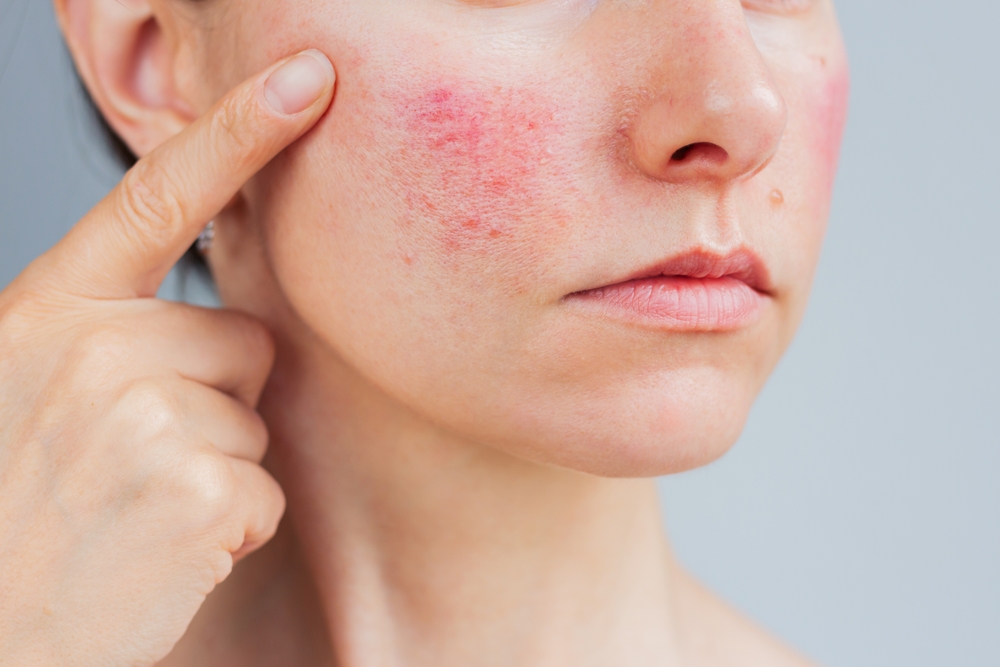
Dry, scaly skin is frustrating, but knowing whether you have psoriasis vs eczema makes all the difference in how you treat it. These two inflammatory skin conditions look similar but have completely different causes, triggers, and treatment plans.
Psoriasis is an autoimmune disease that speeds up the skin cell turnover cycle, producing thick, silvery scales and raised patches. Eczema, particularly atopic dermatitis, results from an immune response triggered by environmental factors like dust mites, harsh chemicals, or cold weather. Getting the right diagnosis matters because the wrong treatment can make your skin worse.
Before You Treat Anything, Read These 5 Facts First
- Psoriasis is an autoimmune disease that causes overproduction of skin cells, resulting in silvery scales. Allergic immune responses to environmental triggers like dust mites or harsh chemicals drive eczema.
- Fungal infections like tinea corporis can mimic the symptoms of both psoriasis and eczema.
- Professional tools like dermoscopy and skin biopsy provide a definitive diagnosis when a visual exam falls short.
- Treatment success depends entirely on identifying the correct underlying skin condition.
Is your scaly skin actually an autoimmune attack? Understanding Psoriasis
Psoriasis happens when your immune system mistakenly attacks healthy skin cells. This autoimmune disorder compresses the normal skin cell turnover cycle from about 28 days down to just 3 to 4 days, creating the rapid buildup that forms scaly, inflamed patches.
What Makes Psoriasis Different From Other Skin Conditions
The hallmark of psoriasis is its distinctive silvery scales sitting on well-defined red plaques. These scaly patches typically appear symmetrically on both sides of the body, favoring the elbows, knees, and scalp.
Unlike eczema, psoriasis most often develops during adulthood, and patients report burning or stinging sensations rather than intense itching. New lesions can also appear at sites of skin injury through the Koebner phenomenon, where friction or cuts trigger new psoriatic plaques.
The Five Types of Psoriasis You Should Know About
- Psoriasis causes classic silvery-gray scales on the elbows, knees, lower back, and scalp, affecting the majority of patients.
- Guttate psoriasis appears as small, drop-shaped lesions scattered across the torso and limbs, often triggered by streptococcal infections.
- Inverse psoriasis develops in skin folds like the armpits and groin as smooth red patches without typical scaling.
- Pustular psoriasis presents as sterile white pustules surrounded by inflamed skin and requires prompt medical attention.
- Erythrodermic psoriasis is characterized by widespread redness covering most of the body and scaling.
Scalp psoriasis can extend beyond the hairline, and nail psoriasis affects many patients, causing pitting, discoloration, and separation from the nail bed.
Beyond Skin: Why Psoriasis Affects Your Whole Body
Psoriasis is a systemic inflammatory disease. Psoriatic arthritis develops in a significant share of patients, causing joint swelling, stiffness, and potential permanent damage without proper treatment.
Systemic inflammation also raises the risk of cardiovascular complications, including heart disease and metabolic syndrome. Biologic injectable drugs and systemic medications are frequently needed to target the inflammatory cells driving the condition, since topical treatments alone rarely control moderate to severe disease.
Could allergies be attacking your skin? The Truth About Eczema
Eczema encompasses a group of conditions in which the immune response overreacts to environmental triggers. Atopic dermatitis, the most common form, typically begins in early childhood and involves both genetic predisposition and allergen exposure.
According to the National Eczema Association, eczema affects more than 31 million Americans, making it one of the most widespread inflammatory skin diseases in the country.
How Eczema Differs From Psoriasis
The immune response behind eczema creates intensely itchy skin with white scales, rather than the thick, silvery scales of psoriasis. This allergic pathway reacts to external triggers rather than internal autoimmune signals.
Eczema usually appears during infancy or early childhood. Weeping eczema, marked by fluid-filled blisters that rupture and crust over, is a common sign during acute flares. This spongiotic dermatitis pattern rarely shows up in psoriasis. Atopic dermatitis also tends to appear in the folds of the elbows and behind the knees, while psoriasis favors outer surfaces.
Common Eczema Triggers Hiding in Your Daily Life
Environmental factors are central to eczema flare-ups. Common triggers include:
- Dust mites in bedding, carpets, and upholstered furniture
- Harsh chemicals in soaps, detergents, and cleaning products
- Fragrances and preservatives in personal care products
- Cold weather and dry indoor air from heating systems
- Food allergens like milk, eggs, and nuts, particularly in children
- Stress, sleep deprivation, and viral infections like respiratory syncytial virus
Identifying and avoiding your personal triggers is one of the most effective long-term strategies for managing eczema.
Types of Eczema That Confuse Even Doctors
Seborrheic dermatitis produces greasy, yellowish scales on the scalp and face, often mistaken for scalp psoriasis but responsive to antifungal treatments rather than immunosuppressants.
Nummular eczema creates coin-shaped, scaly patches resembling plaque psoriasis, but they itch intensely and respond to topical corticosteroids. Contact dermatitis from sources such as nickel or poison ivy forms patterns that match the shape of the exposure, which helps differentiate it from the symmetric presentation of psoriatic plaques.
The Sneaky Skin Conditions That Fool Everyone (Including Your Doctor)
Several conditions can closely mimic both psoriasis and eczema, even to experienced clinicians. Accurate diagnosis requires professional evaluation to avoid weeks of ineffective treatment.
Fungal Infections That Look Exactly Like Psoriasis
Tinea corporis, commonly called ringworm, creates circular, scaly patches with raised borders that closely resemble psoriatic plaques. KOH testing examines a skin scraping under a microscope to confirm whether a condition is fungal in origin.
Applying topical steroids to a fungal infectioncan suppresss the local immune response and accelerate the infection’s spread. Getting the diagnosis right from the start prevents this entirely avoidable outcome.
Drug Reactions That Create Fake Psoriasis
Certain medications, including beta-blockers, lithium, antimalarials, and ACE inhibitors, can trigger psoriasis-like eruptions in susceptible individuals. These reactions typically develop weeks to months after starting the offending drug, and patients often do not connect new skin problems with recently started prescriptions.
When Serious Conditions Hide Behind Scaly Skin
Cutaneous T-cell lymphoma, particularly mycosis fungoides, can mimic eczema or early psoriasis, making it difficult to diagnose and easy to leave untreated. Lupus and Lyme disease can also produce scaly skin patches that may resemble common inflammatory skin conditions without further testing.
How Doctors Actually Tell These Conditions Apart (And Why You Can’t)
Professional dermatological evaluation relies on specialized tools that are not available at home. Visual similarity between conditions makes expert assessment essential.
Professional Diagnostic Tools You Don’t Have at Home
- Dermoscopy: Reveals blood vessel distribution, scaling patterns, and pigmentation details invisible to the naked eye.
- Skin biopsy: Provides a definitive diagnosis when the visual exam is inconclusive by identifying unique inflammatory patterns under the microscope.
- KOH testing: Detects fungal infections immediately through direct visualization of fungal elements.
- Patch testing: Identifies specific contact allergens responsible for eczematous reactions across dozens of common allergens.
Why Even Pediatric Specialists Get It Wrong
Research shows that a large proportion of children with psoriasis receive an initial misdiagnosis, often being treated for atopic dermatitis instead. The rarity of childhood psoriasis contributes to this confusion, even among pediatric dermatology specialists.
Months of ineffective treatment can follow, allowing disease progression and adding unnecessary emotional strain. Early accurate diagnosis leads to significantly better long-term outcomes.
Psoriasis vs Eczema Treatment: Why Your Diagnosis Determines Everything
Treatment approaches differ entirely between psoriasis and eczema, and using the wrong medications can actively worsen your condition rather than help it.
For psoriasis: Treatment targets the autoimmune inflammation driving skin cell overproduction through biologics, UV light therapy, and systemic medications.
For eczema: Management focuses on trigger avoidance, barrier repair through moisturizing, and topical corticosteroids during active flares.
For fungal infections: Specific antifungal medications are required. These will not improve autoimmune or allergic skin conditions.
According to the American Academy of Dermatology, atopic dermatitis is a chronic inflammatory skin condition with distinct types, each requiring a specific treatment approach. If you have persistent scaly skin that has not responded to over-the-counter products, a professional evaluation at Millcreek Dermatology can provide the comprehensive diagnostic services needed to accurately distinguish psoriasis from eczema at your very first visit. Get in touch with our team today!
FAQs
How can I tell the difference between psoriasis and eczema at home?
Psoriasis typically produces thicker, silvery scales on raised red patches, while eczema causes intensely itchy skin with thinner white scales that often appear in skin folds. That said, home diagnosis is genuinely unreliable. Even dermatologists use specialized tools to confirm the difference. If your skin has not improved after two weeks of over-the-counter treatment, scheduling a professional evaluation is the right next step.
What triggers psoriasis and eczema flare-ups?
Stress, infections like strep throat, certain medications, or skin injuries often trigger psoriasis flares. Eczema flares typically respond to environmental triggers including dust mites, harsh soaps, cold weather, or specific allergens. Understanding your personal triggers helps with management, but identifying the underlying condition requires a proper professional diagnosis first.
Can psoriasis and eczema occur together in the same person?
Yes, though it is uncommon. Each condition requires a different treatment approach, so having both means your care plan needs to address two distinct inflammatory processes. This is exactly the kind of complex situation where working with our board-certified dermatologist makes a real difference in getting effective treatment sooner.
How much does treatment cost for psoriasis vs eczema?
Costs vary widely based on severity and chosen therapies. Eczema management often centers on topical treatments and lifestyle changes, which are generally more affordable. Moderate to severe psoriasis may require biologic medications, which can be costly but are often covered by insurance when medically necessary. At Millcreek Dermatology, our team works with patients to navigate insurance coverage and treatment options so that cost does not become a barrier to getting the care you need.
When should I see a dermatologist for scaly skin?
Seek professional evaluation if your scaly skin persists for more than two weeks, covers a large area of your body, interferes with daily activities, or does not respond to moisturizers and over-the-counter creams. Early accurate diagnosis prevents months of ineffective treatment and opens the door to a clear, targeted path to relief.