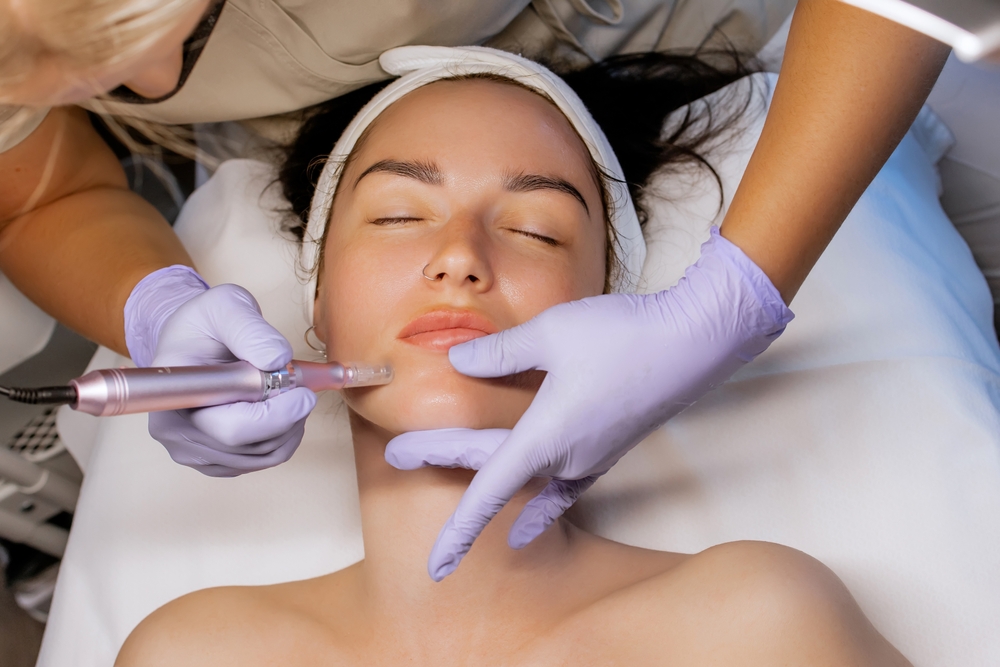
YES, microneedling can be safely combined with multiple skin treatments including PRP therapy, chemical peels, radiofrequency energy, and hyaluronic acid serums to enhance results and address multiple skin concerns simultaneously.
Microneedling, also known as collagen induction therapy, creates controlled micro-injuries that trigger the body’s natural healing response and collagen production. This process improves skin texture and overall skin health through cellular regeneration.
Combination approaches amplify these effects by working through multiple pathways. While microneedling creates channels for deeper penetration and stimulates collagen remodeling, complementary treatments target additional skin issues for comprehensive skin rejuvenation.
Overview: The Truth About Combining Microneedling: What Works, What Doesn’t
- Enhanced penetration: Micro-channels increase absorption of active ingredients up to 300%
- Synergistic mechanisms: Different treatments address texture, tone, and tightness simultaneously
- Optimized efficiency: Fewer total sessions needed versus sequential single treatments
- Comprehensive solutions: Multiple skin concerns addressed in coordinated protocols
- Superior outcomes: Strategic combinations consistently outperform single-treatment approaches
Why combine treatments? The Science Behind Better Results
How Combination Therapy Works
Combination therapy leverages complementary mechanisms for maximum results. Microneedling creates micro-channels allowing therapeutic compounds to penetrate deeper into the dermis where they work most effectively.
Chemical peels remove damaged surface layers while microneedling treatment stimulates deeper collagen production. This dual approach provides comprehensive renewal addressing both superficial and structural skin conditions.
Proven Benefits of Strategic Combinations
Enhanced penetration: The micro-channels created during skin needling dramatically increase the absorption of serums and active ingredients. Research shows that hyaluronic acid serums applied immediately after treatment achieve absorption rates up to 300% higher than with standard topical application.
Faster results: Multiple mechanisms working simultaneously accelerate improvement timelines. Combination approaches concurrently trigger improvements in collagen density and cellular turnover.
Comprehensive solutions: Combination protocols handle skin texture and skin tone concerns within coordinated plans, saving time while optimizing outcomes.
Better value: Though sessions cost more, combination treatments require fewer total visits to achieve desired results, reducing the long-term investment while delivering superior skin health improvements.
The Dynamic Duo: Microneedling + PRP Therapy
What makes PRP the gold standard?
PRP therapy concentrates platelets from your blood through centrifugation, then applies this platelet-rich plasma during microneedling. The concentrated platelets contain growth factors that accelerate skin healing and enhance collagen production.
Research published in the Journal of Cosmetic Dermatology demonstrates that combining microneedling with PRP therapy achieves 82-85% improvement rates in acne scar reduction.
During treatment, PRP penetrates through micro-channels directly into the dermis, initiating healing responses that build stronger collagen bundles and improve skin tissues more comprehensively.
What to Expect with PRP Microneedling
Ideal candidates include those with moderate-to-severe acne scarring, sun damage, or pronounced signs of skin aging. Most protocols involve 3-4 sessions spaced 4-6 weeks apart.
Initial improvements become visible around 4-6 weeks post-treatment. Peak results occur 3-6 months after your final session, with continued improvements possible up to one year.
The Reality Check
PRP additions increase costs by 40-60% compared to standard microneedling. Not everyone needs this enhancement—for mild concerns, standard microneedling treatment may deliver satisfactory results.
Discuss your specific skin conditions with your provider to determine whether benefits justify the cost.
Chemical Peels + Microneedling: Timing Is Everything
The Great Debate: Before or After?
The answer depends on your specific goals.
Option one: Microneedling first, followed by lighter chemical peels 2-3 weeks later maximizes penetration through micro-channels. This makes glycolic acid peels more effective for pigmentation issues. Studies on sequential treatment protocols show that proper timing between procedures is crucial for maximizing benefits while maintaining safety.
Option two: Chemical peel first removes damaged surface layers, then microneedling stimulates deeper collagen production. This works well for significant sun damage.
Your provider should customize the sequence based on your concerns, skin sensitivity, and healing capacity.
Best Peel Combinations for Common Concerns
Acne scars with hyperpigmentation: Microneedling addresses texture, then glycolic acid peels target pigmentation to even skin tone.
Sun damage: A light chemical peel removes damaged cells, and microneedling stimulates collagen for comprehensive skin resurfacing.
Overall renewal: Tri-fruit acid peels with sequential microneedling provide balanced exfoliation and collagen stimulation.
Critical Safety Notes
TCA peels require extra caution—only experienced practitioners should perform these combinations. Proper spacing of 6-8 weeks between sessions allows complete healing.
Essential aftercare includes using gentle products, applying daily sunscreen, and avoiding retinoids for 1 week to protect your skin barrier.
RF Microneedling: The High-Tech Game Changer
Double the Action, Double the Results
RF microneedling integrates mechanical injury with thermal energy in a single device. Insulated needles deliver controlled radiofrequency energy directly into the dermis at predetermined depths.
This addresses skin texture through needling and skin tightness through thermal collagen contraction. Clinical studies on radiofrequency microneedling show that the radiofrequency component heats dermal tissues to approximately 65-70°C, triggering immediate collagen contraction plus long-term collagen remodeling.
Treatment depth customizes from 0.5mm for fine lines up to 3mm for skin laxity and deeper scarring.
What makes RF worth the investment?
Immediate skin tightening from collagen contraction appears right after treatment, plus continued improvement over 3-6 months. Customizable depths allow precise targeting of different concerns within the treatment area.
RF microneedling integrates well with dermal fillers, laser therapy, and other aesthetic treatments when properly sequenced.
The Drawbacks to Consider
Higher costs compared to traditional options and specialized training requirements may limit availability. Most protocols require 3-4 sessions spaced 4-6 weeks apart.
Not everyone needs this advanced approach—for mild concerns, traditional combinations may deliver satisfactory results at lower cost.
Who shouldn’t combine treatments?
Absolute No-Go Situations
- Active skin infections: Open wounds or active breakouts must heal completely before treatment to avoid spreading pathogens.
- Bleeding disorders: Conditions affecting clotting create serious risks during procedures that create skin injury.
- Pregnancy: Hormonal changes affect skin healing—postpone until after delivery and breastfeeding.
- Keloid history: High risk of triggering abnormal scarring responses that worsen skin conditions.
- Recent isotretinoin use: Wait 6-12 months after Accutane due to impaired healing and increased scarring risk.
Proceed with Caution If…
- You have autoimmune conditions affecting healing
- You take blood-thinning medications
- You have very sensitive skin
- You have darker skin tones with higher pigmentation risk
These situations require a thorough evaluation by a board-certified dermatologist to establish safe treatment protocols.
What will this actually cost you?
Investment Breakdown
Combination treatments command 40-60% premiums over single sessions. This reflects additional materials, practitioner expertise, and enhanced results.
Treatment packages often provide better value than individual appointments. Most protocols require 3-4 sessions for optimal skin rejuvenation outcomes.
Is it worth it?
Superior results in fewer sessions often provide better long-term value. Patients achieving desired outcomes with combinations require less frequent maintenance than those who repeatedly use single modalities.
Cosmetic treatments aren’t insurance-covered. Many practices offer financing options to make comprehensive skin rejuvenation accessible.
Your Results Timeline: What to Really Expect
The Waiting Game
Combination microneedling isn’t like dermal fillers, which provide immediate changes. Skin rejuvenation through collagen production takes time—weeks to months for your body to build new collagen bundles.
Individual variation depends on age, health status, and the severity of skin condition. Younger patients typically see faster improvements.
Month-by-Month Progress
- Weeks 1-2: Redness, mild swelling, and sensitivity during initial healing
- Weeks 3-4: Early improvements as inflammation subsides and collagen formation starts
- Months 2-3: Substantial changes as collagen remodeling accelerates
- Months 3-6: Peak results as collagen density reaches maximum improvement
- Months 6-12: Continued subtle enhancements, especially with RF microneedling or PRP therapy
Maintenance every 6-12 months helps preserve results and address ongoing skin aging.
Finding the Right Provider Makes or Breaks Your Results
Non-Negotiable Qualifications
- Board certification with documented combination protocol expertise
- Medical-grade equipment properly maintained
- Comprehensive portfolio demonstrating actual patient results
- Transparency about outcomes, risks, and complication management
- Thorough consultation with skin assessment and customized planning
Provider experience with combinations matters—such combinations require an advanced understanding of treatment interactions and safety considerations.
Red Flags to Watch For
One-size-fits-all approaches without individual assessment, unwillingness to answer detailed questions, aggressive sales tactics, and lack of emergency protocols all indicate inadequate provider quality.
Ready to transform your skin? Your Personalized Treatment Plan Awaits
Combination microneedling delivers superior skin rejuvenation when properly executed by qualified providers. Whether through PRP therapy’s growth factors, chemical peels’ enhanced penetration, or RF microneedling’s dual-action stimulation, these protocols address multiple skin concerns simultaneously for comprehensive results.
Ready to explore how microneedling can transform your skin health? Schedule a consultation at Millcreek Dermatology to discuss personalized treatment options. Our board-certified dermatologists specialize in comprehensive skin rejuvenation including microneedling, laser treatments, dermal fillers, and other aesthetic procedures. We’ll assess your skin conditions, discuss your goals, and develop a customized treatment plan designed to deliver the results you’re seeking.
FAQs
How long should I wait between different combination treatments?
Most protocols require 4-8 weeks between sessions depending on specific treatments and your healing response. Light combinations, such as microneedling with hyaluronic acid serums, may allow 4-week intervals, while intensive combinations require 6-8 weeks. Your provider customizes spacing based on your skin’s response, ensuring sufficient time for collagen remodeling while maintaining treatment momentum.
Can I combine microneedling with Botox or dermal fillers?
Yes, but timing matters for safety. Space treatments by at least 2 weeks. Typically, neuromodulators and fillers should be administered first, followed by microneedling after integration. Alternatively, microneedling first with fillers 2-4 weeks later works well. Discuss complete treatment goals during the consultation to ensure proper sequencing.
How much does combination microneedling typically cost?
Expect to pay 40-60% more than standard microneedling. Single sessions might cost $300-500, while adding PRP therapy brings totals to $500-900. RF microneedling combinations may range from $800 to $ 1,500 per session. Complete protocols requiring 3-4 treatments typically total $1,500-6,000. Many practices offer package pricing reducing per-session costs.
Are combination treatments safe for all skin types?
Yes, though darker skin tones require modified protocols to prevent post-inflammatory hyperpigmentation. Experienced providers use conservative settings, longer healing intervals, and adjusted sequences. Work with a dermatologist experienced with diverse skin types who understands how to adjust treatment parameters for safe, effective outcomes.
What aftercare is required following combination treatments?
Cleanse gently with fragrance-free products and avoid makeup for 24-48 hours. Use only provider-approved serums and moisturizers. Avoid exercise, hot showers, saunas, and pools for 48-72 hours. Apply SPF 30+ daily and avoid sun exposure for 1 week. Discontinue retinoids and exfoliating acids for 5-7 days. Your provider gives specific instructions based on your protocol.