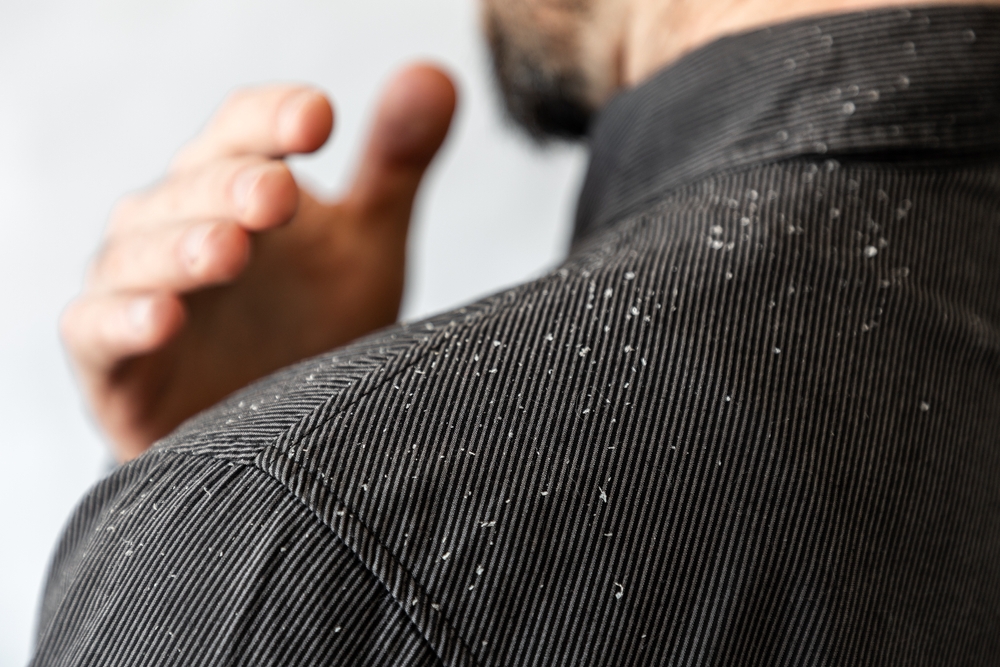
 If you have persistent scalp irritation, scaly patches, and uncomfortable skin flakes, you need an accurate diagnosis to figure out whether your symptoms point to seborrheic dermatitis, psoriasis, atopic dermatitis, or another inflammatory disease. It can be challenging to tell these skin conditions apart without professional evaluation, as similar presentations often mask distinct underlying causes that need different treatment approaches. Understanding the key features, where it appears, and related symptoms helps you recognize when a professional dermatological assessment becomes necessary for effective management.
Overview: Identifying Seborrheic Dermatitis
- Seborrheic dermatitis produces characteristic yellowish scales in areas with high sebaceous glands concentrations, including the scalp, sides of the nose, eyebrows, and central chest, distinguishing it from psoriasis’s thick silvery scales and atopic dermatitis’s flexural distribution.
- Malassezia yeast overgrowth triggers inflammatory responses when naturally occurring Malassezia furfur populations increase beyond normal levels, particularly affecting individuals with compromised immune systems, Parkinson’s disease, HIV infection, or other nervous system conditions.
- Professional diagnosis combines clinical examination with detailed medical history and sometimes skin biopsy, providing more accurate results than self-assessment, particularly important when multiple inflammatory conditions coexist.
- Treatment includes medicated shampoos with pyrithione zinc, ketoconazole, or selenium sulfide as first-line therapy, with topical corticosteroids providing anti-inflammatory relief for acute flares and other treatments available for resistant cases.
- The chronic relapsing course requires ongoing management through appropriate antifungal treatments, stress reduction, and lifestyle changes addressing triggers like weather fluctuations, hormonal changes, and underlying inflammatory activity.
About Seborrheic Dermatitis: Who, What, Where, When, and Why
Seborrheic dermatitis affects approximately 3-5% of the general population, appearing as cradle cap in infants and commonly developing in adults with compromised immune systems. It’s more common in people with Parkinson’s disease, HIV infection, Alzheimer’s disease, and other nervous system conditions influencing inflammatory responses. The skin condition shows no gender preference but occurs more often in people with weakened immune systems who need specialized care.
The inflammatory disease results from interactions between Malassezia yeast overgrowth, immune system responses, and sebum overproduction in oil glands. Malassezia furfur naturally lives on everyone’s skin but triggers inflammatory responses when populations increase beyond normal levels, particularly in areas rich with sebaceous glands. This inflammatory response explains why stress, hormonal changes, and underlying health conditions trigger flare-ups that need both medical intervention and lifestyle modifications.
The condition predominantly affects regions with high sebaceous gland concentrations, including the scalp, sides of the nose, eyebrows, central chest, and areas around hair follicles. Unlike psoriasis favoring extensor surfaces, seborrheic dermatitis shows preference for sebum-rich locations where Malassezia species thrive. Nasolabial folds, behind ears, and facial areas commonly develop characteristic scaly patches of skin that need targeted antifungal treatments.
Several factors can make symptoms worse, including stress levels, hormonal fluctuations, weather changes, and underlying inflammatory activity affecting blood vessels and inflammatory response patterns. Cold, dry weather often worsens symptoms, while warm, humid conditions may provide temporary relief, though everyone responds differently and may need customized treatment.
Weighing Self-Diagnosis: Pattern Recognition vs. Professional Evaluation
Arguments supporting initial self-identification:
Many people can identify seborrheic dermatitis by the distinctive yellowish scales and characteristic distribution patterns affecting sebaceous gland-rich areas. The condition often presents with recognizable features including greasy skin flakes in predictable locations, making initial identification possible for informed patients who research typical presentations. Over-the-counter antifungal shampoos containing pyrithione zinc provide relief for many mild cases, suggesting self-directed treatment can work for uncomplicated presentations.
Many medicated shampoos, tar-based shampoos, and topical antifungal treatments are available, allowing patients to begin management before professional consultation. Many people successfully control symptoms using ketoconazole shampoo, selenium sulfide preparations, or salicylic acid treatments available without prescription, which might save you the cost of a doctor’s visit for simple cases responding to first-line therapies.
Educational resources about seborrheic dermatitis help patients compare their symptoms against well-documented presentations. Online dermatology resources provide detailed descriptions of typical scale appearance, distribution patterns, and progression timelines that help individuals make preliminary assessments before seeking professional confirmation.
Arguments against self-diagnosis without professional confirmation:
Seborrheic dermatitis frequently overlaps with other inflammatory conditions, which can be hard to diagnose even for experienced doctors. The condition may coexist with psoriasis in presentations called sebopsoriasis, complicating visual identification without clinical expertise. Contact dermatitis, scalp psoriasis, and atopic dermatitis present similar symptoms in overlapping locations, requiring professional expertise for accurate differentiation and appropriate treatment selection.
Misdiagnosis leads to inappropriate treatment choices potentially worsening symptoms or delaying proper care for conditions needing different management approaches. Keratosis pilaris, stasis dermatitis, dyshidrotic dermatitis, nummular dermatitis, and periorificial dermatitis can mimic seborrheic dermatitis in certain presentations, each needing different treatments that self-treatment may not address effectively.
Another risk is missing underlying health conditions without professional evaluation. Seborrheic dermatitis can signal immune system dysfunction, hormonal imbalances, or neurological conditions needing medical attention beyond skin symptom management. Getting diagnosed early gives you opportunities for better treatment addressing root causes rather than surface manifestations.
Clinical Evidence on Seborrheic Dermatitis
Seborrheic dermatitis affects approximately 3-5% of the general population, with higher rates observed in immunocompromised individuals. Studies demonstrate that Malassezia yeast populations increase significantly in affected areas, with signs of increased inflammation and follicular plugging characteristic of the condition’s pathophysiology.
Research indicates that seborrheic dermatitis frequently involves concurrent inflammatory conditions, which shows why it’s important to see a dermatologist who can tell the difference between isolated presentations and complex overlapping syndromes. Clinical trials reveal that combination therapy using medicated shampoos with topical corticosteroids achieves better outcomes compared to single-agent treatments.
Diagnostic accuracy rates improve substantially with dermatological expertise, with board-certified dermatology providers diagnosing correctly more often than self-assessment methods. This difference shows how complex inflammatory skin conditions can be and the value of professional evaluation, particularly when initial treatments fail to produce expected improvements or when symptoms suggest multiple concurrent conditions needing integrated management approaches.
Distinguishing Features of Seborrheic Dermatitis
Seborrheic dermatitis shows up through distinctive clinical features that set it apart from similar inflammatory conditions affecting skin and scalp. The characteristic yellowish scales concentrated in sebaceous gland-rich areas, combined with specific distribution patterns and related symptoms, provide diagnostic clues that experienced dermatology providers recognize through systematic evaluation. Understanding these distinguishing features helps you figure out whether your symptoms warrant professional consultation or may respond to over-the-counter interventions.
The inflammation comes from interactions between Malassezia yeast, immune system components, and sebaceous gland activity creating symptoms that vary in severity between individuals. Hair follicles in affected areas show inflammatory changes and signs of inflammation including redness, scaling, and occasional mild swelling distinguishing seborrheic dermatitis from other conditions with similar presentations.
Conclusion
If you’re dealing with scaly, flaky patches on your scalp, face, or chest, figuring out whether it’s seborrheic dermatitis or something else can be tricky. Seborrheic dermatitis has some telltale signs that set it apart: greasy yellowish scales that show up in areas with lots of oil glands, like your scalp, the sides of your nose, eyebrows, and upper chest. This is different from psoriasis, which creates thick silvery scales usually on your elbows and knees, or eczema, which tends to appear in the creases of your joints. The condition happens when a yeast called Malassezia that naturally lives on everyone’s skin grows too much and triggers inflammation. While anyone can get it, it’s more common and severe in people with weakened immune systems or certain conditions like Parkinson’s disease or HIV. While it might be tempting to diagnose yourself, a professional evaluation is much more reliable. Doctors get it right far more often than self-diagnosis, especially since seborrheic dermatitis can look like several other skin conditions or even occur alongside them. Treatment usually starts simple. Most people find relief with over-the-counter medicated shampoos containing ingredients like pyrithione zinc, ketoconazole, or selenium sulfide. For flare-ups, your doctor might prescribe a topical corticosteroid cream to calm the inflammation. Managing stress and adjusting your routine based on triggers like cold weather can also help keep symptoms under control. That said, if you’ve been dealing with symptoms for more than two weeks, if over-the-counter treatments aren’t working, or if your scalp is severely irritated, it’s time to see a dermatologist. At Millcreek Dermatology, we can provide an accurate diagnosis through physical examination and, when needed, skin biopsy. We’ll create a treatment plan that works for your specific situation, addressing not just the symptoms but what’s causing them. If you’re in Salt Lake City and need help managing seborrheic dermatitis, come by and see us!
FAQs
What causes dandruff?
Dandruff happens when a yeast called Malassezia that naturally lives on your scalp grows too much and triggers inflammation. This causes your skin cells to turn over faster than normal, creating those visible flakes. Factors like stress, hormonal changes, and cold weather can make it worse. While dandruff is often a mild form of seborrheic dermatitis, sometimes regular dry scalp or product buildup can cause similar flaking that needs different treatment.
How to treat dry scalp?
Dry scalp needs moisture, not antifungal treatment. Use gentle, fragrance-free moisturizers on your scalp and wash less frequently with mild shampoos. If moisturizing doesn’t help after 2-3 weeks, you might have seborrheic dermatitis rather than simple dryness. In that case, try medicated shampoos with pyrithione zinc or see a dermatologist to figure out what’s really causing your symptoms.
Is dandruff contagious?
No, dandruff isn’t contagious at all. You can’t catch it from someone else or spread it by sharing hair products. It happens because of how your own immune system reacts to yeast that naturally lives on everyone’s skin. If multiple family members have dandruff, it’s because they share genes that make them more susceptible, not because they’re passing it around.
Will seborrheic dermatitis cause hair loss?
Seborrheic dermatitis rarely causes permanent hair loss. You might notice temporary shedding if inflammation gets severe, but this usually reverses once you treat the condition. The inflammation affects surface skin layers without destroying hair follicles. If you’re losing hair along with having seborrheic dermatitis, see a dermatologist to rule out separate conditions like pattern baldness that might need different treatment.
How does seborrheic dermatitis differ from psoriasis?
Seborrheic dermatitis creates greasy yellowish scales on oily areas like your scalp and face, while psoriasis produces thick silvery scales on well-defined patches, usually on elbows and knees. Psoriasis often affects your nails with pitting and discoloration, which seborrheic dermatitis doesn’t. Sometimes both conditions occur together (called sebopsoriasis), making diagnosis trickier. A dermatologist can tell them apart and recommend the right treatment for your situation.