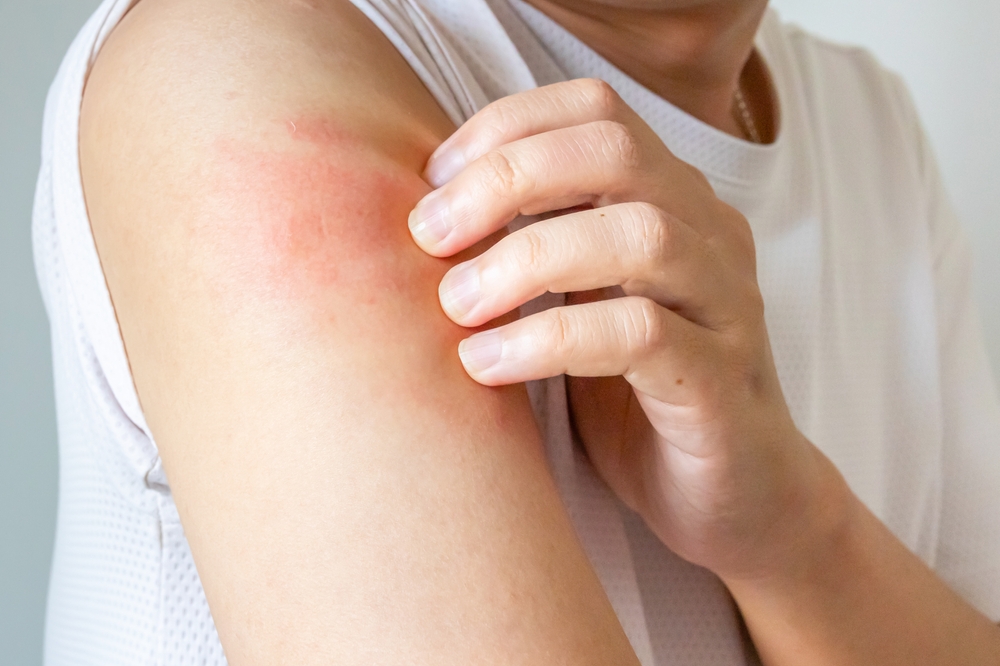
Yes, skin allergies can absolutely cause your unexplained rashes and itching, especially if you have persistent red patches, mysterious itchy skin that appears without warning, and facial rashes that don’t respond to standard treatments. These symptoms might indicate an allergic reaction that needs professional evaluation. Contact dermatitis represents a significant portion of dermatological conditions, with allergic contact dermatitis accounting for approximately 20% of contact dermatitis cases, causing immune system responses that produce inflammation, blisters, and intense itching that interferes with daily activities. Understanding the difference between allergic and irritant reactions, identifying common allergens in everyday products, and getting proper diagnostic testing helps you address root causes rather than merely managing symptoms.
Overview: Allergic Skin Reactions
- Contact dermatitis represents the most common cause of unexplained skin rashes, happening when your immune system mistakes harmless substances for threats or when chemicals directly damage skin cells
- Over 3,000 different substances can trigger allergic reactions in susceptible individuals, with common culprits like nickel in jewelry, fragrances in cosmetics and cleaning products, poison ivy and poison oak containing urushiol, and preservatives in skincare formulations
- Allergic reactions are fundamentally different from irritant responses because they involve delayed immune reactions appearing 24-48 hours after exposure, while irritant contact dermatitis produces immediate burning sensations confined to exact contact areas
- Skin patch tests identify specific allergens through reliable diagnostic testing, by exposing small areas of skin to standardized allergens under controlled conditions that home remedies and elimination trials can’t replicate
- Treatment success requires accurate allergen identification followed by strict avoidance. Topical corticosteroids provide localized relief, oral steroids manage widespread reactions, and antihistamines control itching to prevent bacterial infections from scratching
Skin Allergies: Who, What, Where, When, and Why
Skin allergies affect people across all demographics, though certain jobs increase your risk significantly. Healthcare workers frequently develop reactions to rubber gloves containing latex proteins and antiseptic chemicals used for hand hygiene. Construction workers commonly experience contact dermatitis from cement compounds containing chromium and adhesives with formaldehyde releasers. Women have higher rates of cosmetic and jewelry allergies, particularly nickel sensitivity affecting approximately 10-15% of the population. Over 70% of children who are exposed to poison plants containing urushiol, like poison ivy and poison oak, become sensitized.
Allergic contact dermatitis represents a type 4 delayed hypersensitivity reaction where your immune system mistakes harmless substances for dangerous invaders. During initial exposure, antigen-presenting cells capture foreign substances and present them to T-lymphocytes in lymph nodes, creating immune memory that lasts for years or decades. Subsequent exposures trigger cells to release inflammatory chemicals that cause redness, swelling, and itchy skin appearing 24-48 hours later. This immune response is different from irritant contact dermatitis, which involves direct chemical damage without immune system involvement.
Where your rash appears gives clues about what’s causing the reaction. Hand dermatitis frequently results from soaps, cleaning products, or occupational chemicals. Facial reactions commonly stem from cosmetics, fragrances, or airborne allergens like pollen, pet dander, and dust mites. Neck and wrist rashes often indicate jewelry allergies from nickel-containing watches, necklaces, or clothing fasteners. Foot reactions may result from shoe materials, adhesives, or rubber compounds in footwear.
Differences in your immune system significantly affect whether you develop allergies. Genetics play a big role, with family history of atopic dermatitis, hay fever, allergic rhinitis, or seasonal allergies increasing susceptibility to contact dermatitis. Environmental factors including repeated allergen exposure, damaged skin barriers, and skin infections make it easier for allergens to get in. People with existing eczema are more likely to develop new allergic reactions due to inherent barrier dysfunction.
Weighing Professional Diagnosis: Immediate Evaluation vs. Conservative Management
Arguments supporting immediate professional intervention:
Getting the right diagnosis prevents prolonged suffering and potential complications from continued allergen exposure leading to chronic inflammation, lichenification, and bacterial infections from scratching. A professional evaluation quickly identifies causes through careful examination, allowing immediate avoidance and appropriate treatment. This precision prevents trial-and-error that might make symptoms worse by exposing you to more allergens used in misguided treatment attempts.
Skin patch tests and blood test options identify specific allergens that over-the-counter treatments cannot achieve. While topical products temporarily mask allergy symptoms, they fail to address underlying causes and may contain allergens worsening reactions. Dermatologists use standardized panels containing common allergens, providing scientifically validated results with reliable accuracy. This systematic approach lets you avoid specific triggers and prevent future reactions.
Professional treatment prevents complications like impetigo and cellulitis from scratching, permanent skin discoloration from long-term inflammation, and scarring in severe cases. Dermatologists prescribe appropriate topical corticosteroids, oral steroids when necessary, and antihistamines controlling inflammation quickly and safely, preventing long-term problems that over-the-counter treatments might not fix.
Arguments favoring conservative observation:
Many skin reactions go away on their own without specific treatment once triggering substances are removed from contact. Simply avoiding suspected irritants and using gentle skin care with dye- and fragrance-free moisturizers and mild cleansers often clears things up without expensive medical testing or prescription medications. Heat rash, minor irritant contact dermatitis, and mild allergic reactions may clear within days to weeks with basic supportive care.
Over-the-counter treatments frequently provide adequate symptom relief for mild reactions. Topical hydrocortisone creams, oral antihistamines, and gentle moisturizers effectively manage many allergic skin reactions without prescription intervention. These over-the-counter options cost much less than specialist consultations and prescription medications. Colloidal oatmeal baths, cool compresses, and calamine lotion provide symptomatic relief for itchy skin.
The cost of diagnostic testing and specialist visits can be a barrier. Patch testing and blood test analysis can be expensive, often requiring multiple dermatology visits for application, reading, and interpretation. For individuals without adequate insurance coverage or facing high deductibles, the cost might outweigh the benefits, particularly if symptoms are mild, intermittent, or manageable with conservative measures.
Clinical Evidence on Allergic Contact Dermatitis
Contact dermatitis represents a significant portion of dermatological conditions, with allergic contact dermatitis accounting for approximately 20% of contact dermatitis cases, affecting millions of people each year. This condition happens when certain immune cells called T-lymphocytes become sensitized to specific environmental substances, creating immune memory that triggers inflammation when you’re exposed again. Research published by the National Institutes of Health indicates that most people exposed to urushiol in poison plants become sensitized, while nickel sensitivity affects 10-15% of the general population, making it the most common cause worldwide. Additionally, environmental allergens like pet dander and dust mites can worsen existing skin conditions or trigger allergy symptoms in sensitive individuals.
The diagnostic process combines careful clinical examination with specialized testing methods, particularly skin patch tests that provide reliable results when performed by qualified dermatologists. Common allergens identified through systematic testing include nickel found in jewelry and metal objects, fragrance mixes present in cosmetics and household products, poison ivy and poison oak containing urushiol, rubber compounds in gloves and footwear, and preservatives like formaldehyde releasers used in skincare products and medications. For individuals with suspected environmental allergies contributing to skin symptoms, additional testing may include evaluation for reactions to common triggers affecting both the skin and respiratory system.
The American Academy of Family Physicians notes that treatment approaches vary based on how severe the reaction is and how much of your body is affected, with topical corticosteroids providing effective relief for localized reactions affecting less than 20% of body surface area, while oral steroids become necessary for widespread involvement or severe inflammatory responses. Antihistamines help control itching and may prevent complications from scratching. Long-term management success depends primarily on accurate allergen identification and strict avoidance, with studies showing that patients successfully identifying and avoiding specific triggers see major improvements in quality of life.
Recognizing Contact Dermatitis and Common Allergen Sources
Contact dermatitis shows up as your skin’s defensive response to substances it sees as threats, causing red, itchy, and sometimes blistering skin that significantly impacts daily life. This condition occurs through two distinct mechanisms: allergic contact dermatitis involving delayed immune system hypersensitivity reactions against specific substances, and irritant contact dermatitis where chemicals directly damage skin cells without immune involvement. Understanding these differences is essential for choosing the right treatment and prevention strategies. Some individuals also experience reactions to insect stings containing insect venom, which can trigger immediate allergic responses requiring different management than contact dermatitis.
Your immune system’s response to allergens involves complex cellular events that unfold over hours to days. Specialized antigen-presenting cells called Langerhans cells capture foreign substances and present them to T-lymphocytes in nearby lymph nodes. These immune cells become educated about specific allergens, creating immune memory that lasts for years or decades. Upon subsequent exposures, sensitized T-cells quickly mobilize and release inflammatory chemicals like cytokines and chemokines causing redness, swelling, and intense itching. This process differs from immediate allergic reactions like those triggered by insect venom or certain food allergy responses, which activate different immune pathways producing rapid-onset symptoms.
Conclusion
Unexplained skin rashes and persistent itchy skin frequently result from allergic reactions requiring professional dermatological evaluation to identify specific triggers through skin patch tests and clinical examination. Contact dermatitis represents a significant portion of dermatological conditions, with allergic contact dermatitis accounting for approximately 20% of contact dermatitis cases, producing immune system responses to common allergens including nickel in jewelry, fragrances in cosmetics, poison ivy and poison oak containing urushiol, rubber compounds in gloves, and preservatives in skincare products. Distinguishing between allergic contact dermatitis involving delayed immune reactions appearing 24-48 hours after exposure and irritant contact dermatitis producing immediate chemical damage is essential for choosing the right treatment. Effective management combines topical corticosteroids for localized reactions, oral steroids for widespread involvement, and antihistamines controlling itching, with long-term success depending on accurate allergen identification and strict avoidance strategies. Professional evaluation at Millcreek Dermatology provides access to specialized diagnostic testing including patch testing with reliable accuracy, enabling definitive identification of specific allergens that home remedies and elimination trials cannot detect, while ruling out conditions mimicking allergic reactions to achieve lasting relief from skin symptoms and restore quality of life.
If you’re in Salt Lake City and need professional help with your skin allergies, come by and see us!
FAQs
What causes allergies?
Allergies happen when your immune system mistakes harmless substances for dangerous threats. Contact dermatitis develops from skin exposure to chemicals, while allergic rhinitis comes from inhaled pollen. Food allergy reactions can range from mild hives to severe anaphylaxis. Genetics play a big role—family history of atopic dermatitis or hay fever increases your risk. Common skin allergens include nickel in jewelry, fragrances in cosmetics, poison ivy, rubber compounds, and preservatives in skincare products.
How long does an allergic reaction last?
Contact dermatitis typically appears 24-48 hours after exposure and lasts 2-4 weeks if you remove the trigger and start treatment. Mild reactions may clear within days with topical corticosteroids, while severe reactions need oral steroids for 2-3 weeks. Hives usually fade within 24-48 hours. Seasonal allergic rhinitis and allergy symptoms last weeks to months during pollen seasons. If symptoms persist despite avoiding triggers, see a dermatologist for patch testing.
Can allergies make you feel sick?
Yes, allergies can cause fatigue, headaches, difficulty concentrating, and general malaise beyond just skin symptoms. Seasonal allergies produce nasal congestion and poor sleep quality leading to daytime fatigue. Food allergy reactions can cause nausea and abdominal discomfort. Severe reactions can trigger anaphylaxis with respiratory distress requiring immediate emergency care. The stress of dealing with persistent allergy symptoms can also cause anxiety and depression that feel like systemic illness.
What helps with allergies?
Effective allergy management combines allergen avoidance with symptom control. Topical corticosteroids reduce inflammation and itching within 24-48 hours for localized reactions. Oral steroids manage widespread reactions. Antihistamines and nasal sprays control symptoms and prevent complications from scratching. Over-the-counter options like calamine lotion, colloidal oatmeal baths, and cool compresses provide relief. Professional patch testing identifies specific allergens so you can avoid them completely and prevent future reactions.
Why do I have allergies now when I didn’t before?
You can develop new allergies at any age after years of safe exposure. Repeated contact with substances like nickel, fragrances, or rubber compounds can eventually overwhelm your immune system’s tolerance. Aging, environmental damage, and hormonal shifts during pregnancy or menopause affect immune regulation. Occupational exposures or new environmental triggers like dust mites can cause sensitization after months or years. Stress, illness, and lifestyle changes may lower thresholds for allergic reactions, while skin damage from injuries or eczema compromises your barrier function.