
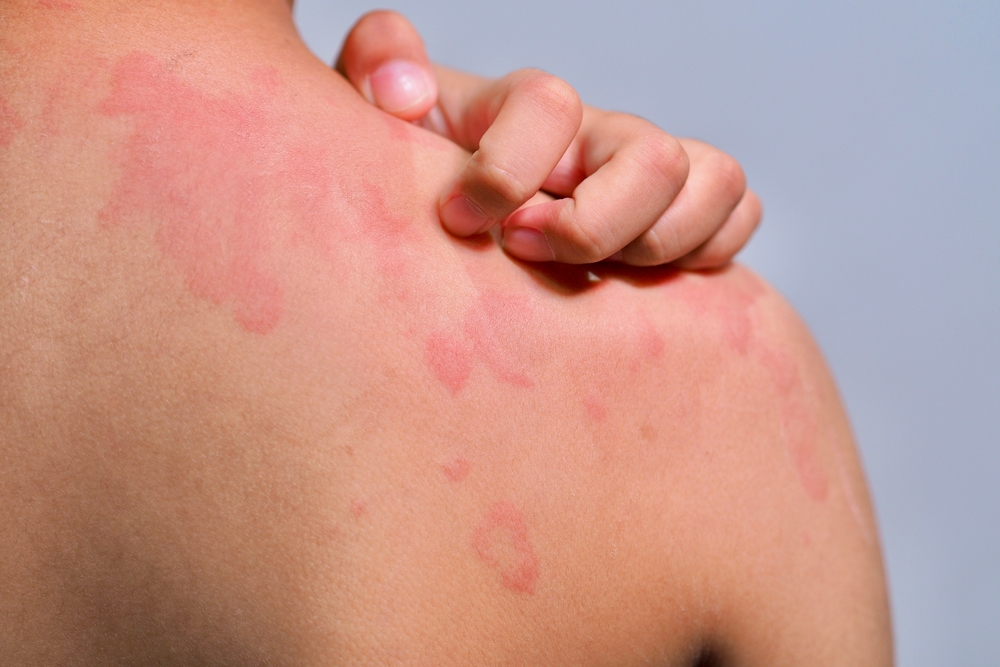
Yes, stress and anxiety can actually trigger hives through well-documented neurobiological pathways that connect your psychological state to your immune system. Raised, itchy welts appearing on skin during high-pressure situations represent more than coincidence. Stress hives affect a significant portion of the population through well-documented neurobiological pathways connecting psychological states to immune system responses. Studies show that 40-80% of people with chronic hives point to stress as a major trigger, with the hypothalamic-pituitary-adrenal axis releasing corticotropin-releasing hormone that directly stimulates mast cells in skin tissue to release histamine and inflammatory mediators.
Overview: Understanding Stress-Induced Urticaria
- Stress triggers real changes in your body, releasing stress hormones that directly activate mast cells in your skin. These cells then release histamine, creating those characteristic raised, itchy welts
- Stress-induced hives differ from allergic reactions through timing patterns, with stress rashes appearing during or after psychological triggers rather than following food or environmental allergen exposure, though distinguishing between types requires your doctor to look at the timing and patterns
- Immediate management combines multiple approaches including over-the-counter antihistamines reducing histamine-mediated symptoms within 30-60 minutes, cold compress applications providing relief through vasoconstriction, and breathing exercises activating the parasympathetic nervous system to counteract stress responses
- Chronic urticaria lasting longer than six weeks needs a dermatologist to check things out and rule out autoimmune conditions, thyroid disorders, or other underlying medical issues contributing to persistent symptoms beyond psychological triggers alone
- Long-term prevention requires integrated strategies addressing both physical symptoms through appropriate medications and psychological factors through stress management techniques, with studies showing 60% reduction in hive frequency when patients combine stress reduction with medical treatment
About Stress Hives: Who, What, Where, When, and Why
Stress hives affect individuals across all demographics, though certain populations are more likely to experience them. Healthcare workers, teachers, executives, and emergency responders frequently report stress rash during demanding periods due to chronic workplace pressure. Students experience elevated rates during exam periods and major academic transitions. People navigating divorce, job loss, relocation, or bereavement show increased rates of skin conditions related to psychological stress. Those with pre-existing anxiety disorders or depression are more vulnerable, as chronic elevation of stress hormones lowers thresholds for triggering immune system responses in skin tissue.
Approximately 15-25% of people experience hives at some point, with stress contributing as a factor in many cases. Women appear slightly more susceptible than men, possibly due to hormonal influences affecting both stress responses and immune reaction patterns. The condition shows up as raised, red or skin-colored welts varying from small bumps to large patches, accompanied by intense itching significantly impacting quality of life.
The neurobiological mechanism involves the autonomic nervous system, particularly the sympathetic nervous system, releasing norepinephrine and other neurotransmitters affecting mast cell function during stress responses. These specialized immune cells, strategically located throughout skin tissue, break open when triggered by stress-related chemical signals, rapidly releasing histamine, leukotrienes, prostaglandins, and cytokines that create swelling, redness, and itching within seconds to minutes.
Stress rashes can develop anywhere on the body but commonly affect areas with high concentrations of nerve endings and blood vessels, such as the torso, arms, neck, and face. Unlike contact dermatitis following specific anatomical patterns or pressure urticaria appearing in areas subjected to physical force, stress-induced hives show up randomly and may migrate during outbreaks, making location patterns less predictable than other urticaria types.
Weighing Medical Perspectives: Stress-Hives Connection vs. Multifactorial Causation
Arguments supporting direct stress-hives connection:
Research consistently demonstrates that psychological stress directly triggers hive outbreaks through documented biological pathways connecting the nervous system to immune responses. Studies show that 40-80% of people with chronic hives point to stress as a major trigger. Neuroimaging studies reveal that psychological stress activates brain regions directly communicating with immune system components, providing visual evidence of the mind-body connection showing up as skin reactions.
Biomarker research identifies measurable changes in stress hormones, inflammatory markers, and immune system components correlating with both psychological stress levels and urticaria severity. Elevated cortisol, increased substance P levels, and changes in mast cell activity provide objective evidence supporting subjective reports of stress-related symptom patterns. Treatment approaches combining antihistamine therapy with stress reduction techniques consistently show better outcomes than medication alone.
Clinical observations from dermatologists worldwide confirm that hive patterns correlate directly with patients’ stress levels and major life events. Many practitioners note flare-ups during predictable high-stress periods such as exam seasons, holiday periods, work transitions, or family crises. This consistent pattern across diverse populations suggests fundamental biological relationships rather than coincidental associations.
Arguments emphasizing multifactorial complexity:
The relationship between stress and hives involves complex interactions making simple cause-and-effect relationships difficult to establish with certainty. Multiple factors often contribute simultaneously, including genetic predisposition, environmental triggers, hormonal fluctuations, underlying autoimmune conditions, and medication effects. Stress may serve as one trigger among many rather than the sole cause of urticaria outbreaks.
Individual responses to stress vary dramatically, with some people developing hives under pressure while others with similar stress levels experience no skin reactions. This variability suggests additional factors beyond stress alone determine who develops urticaria, including genetic variations in stress hormone receptors, differences in mast cell sensitivity, variations in neurotransmitter production, and individual inflammatory response patterns.
Diagnostic challenges arise because stress-induced hives appear physically identical to other urticaria types. The welts, itching, and distribution patterns remain remarkably similar regardless of underlying trigger, requiring your doctor to connect the dots with medical evaluation, detailed patient history, and sometimes extensive elimination testing to identify triggers accurately. Confounding variables during stressful periods, changed eating patterns, sleep schedules, or medication routines, make isolating stress as a primary trigger difficult without controlled research conditions.
Clinical Evidence on Stress and Urticaria
Stress-induced hives represent a legitimate medical phenomenon with measurable biological markers and predictable treatment responses. Research published in the Journal of Clinical Medicine found that chronic stress significantly increases urticaria risk, with multiple studies showing 40-80% of people with chronic hives report stress as a significant trigger factor. The mechanism involves neuropeptide release, particularly substance P and corticotropin-releasing hormone, directly activating mast cells to release histamine and inflammatory mediators.
The American Academy of Dermatology indicates that chronic urticaria affects approximately 1% of the general population, with stress-related cases representing a significant subset requiring integrated medical and psychological interventions. Treatment approaches addressing both physical symptoms and psychological triggers show superior outcomes compared to antihistamine therapy alone, with stress management techniques reducing hive frequency by up to 60% in some patient populations.
Cleveland Clinic research demonstrates that stress affects immune system function through multiple pathways including hypothalamic-pituitary-adrenal axis alterations, autonomic nervous system changes, and immune system reactivity modifications. These discoveries led to sophisticated treatment approaches targeting multiple pathways simultaneously rather than focusing solely on histamine blockade through antihistamines.
The Neurobiological Pathways Between Stress and Skin Reactions
Psychological stress triggers documented cascades of neurobiological events directly activating immune cells in skin through interconnected pathways. The hypothalamic-pituitary-adrenal axis serves as the primary control center, releasing corticotropin-releasing hormones that travel through the bloodstream and directly stimulates mast cells distributed throughout skin tissue. These specialized immune cells contain granules filled with histamine and inflammatory substances that, when released, create swelling, redness, and intense itching characteristic of urticaria.
Substance P, a neuropeptide released during stress responses, provides direct pathways between emotional states and skin reactions. This chemical messenger binds to neurokinin-1 receptors on mast cells, triggering degranulation and subsequent inflammatory mediator release. Individuals with chronic stress often have elevated substance P levels in skin tissue, correlating with increased susceptibility to urticaria outbreaks.
Conclusion
Stress and anxiety trigger hives through well-documented biological pathways. When you’re stressed, your body releases specific hormones and chemicals that activate immune cells in your skin, causing them to release histamine and create those characteristic raised, itchy welts. Studies show 40-80% of people with chronic hives point to stress as a major trigger, with stress rashes appearing during or after psychological triggers through mechanisms distinct from allergic reactions to foods or environmental allergens. Immediate management combines over-the-counter antihistamines reducing symptoms within 30-60 minutes, cold compress applications providing vasoconstriction relief, and breathing exercises activating the parasympathetic nervous system to counteract stress responses driving inflammation. Chronic urticaria lasting longer than six weeks needs a dermatologist to check things out and rule out autoimmune conditions, thyroid disorders, or other underlying medical issues, with integrated treatment approaches addressing both physical symptoms through appropriate medications and psychological factors through stress management techniques showing superior outcomes compared to medication alone. Long-term prevention requires stress reduction techniques including aerobic exercise reducing cortisol levels, mindfulness practices improving stress reactivity, and behavioral interventions that studies demonstrate reduce hive frequency by up to 60% when combined with medical treatment. Getting checked out by a dermatologist provides accurate diagnosis distinguishing stress-induced hives from other skin conditions, access to prescription treatments beyond over-the-counter options, and personalized management plans integrating medical interventions with stress management strategies for better symptom control and quality of life improvement. If you’re in Salt Lake City and want to learn how to effectively manage hives, come by and see us!
FAQ’s
What causes hives?
Hives happen when mast cells in your skin release histamine and other chemicals, creating those raised, itchy welts. Lots of things can trigger this, food allergies, medications, pressure on your skin, temperature changes, infections, or autoimmune issues. Stress hives work differently: when you’re under pressure, your body releases stress hormones that directly activate mast cells without needing an allergic reaction. Many researchers think hives usually need multiple factors working together, like genetics, environment, and hormones, rather than just one single trigger.
What do hives look like?
Hives show up as raised, red or skin-colored bumps with clear edges. They can be tiny, or large patches several inches across. The welts stick up from your skin because fluid builds up underneath. On lighter skin, they’re usually bright red or pink. On darker skin, they might look darker or stay your natural skin color but still be clearly raised. They itch like crazy and can disrupt sleep. Each welt typically fades within 24 hours, though new ones keep popping up.
How long do hives last?
Acute hives usually stick around less than six weeks, with each individual welt fading within 24 hours (though new ones keep appearing). Stress hives often show up 24-48 hours after something stressful happens and can last 2-4 weeks if you remove the trigger and start treatment. Chronic hives that can last over multiple weeks affect about 1% of people and need a doctor to figure out what’s going on. Treatment combines antihistamines with stress management like breathing exercises and aerobic exercise. Some people find relief with oatmeal baths or cold compresses.
Are hives contagious?
No, hives aren’t contagious at all. You can’t catch them from someone else or spread them through contact. Hives happen because of your own immune system reacting to triggers—not from bacteria or viruses passing between people. If multiple people in your household get hives at the same time, it’s probably because you’re all dealing with the same stressor or environmental trigger. Sometimes viral infections can cause hives as part of your immune response, but the hives themselves aren’t what spreads—just the underlying virus.
Can stress management techniques really prevent hives?
Yes, stress management can really help reduce how often you get hives and how bad they are. Regular exercise lowers cortisol and boosts feel-good endorphins. Breathing exercises calm your nervous system down. Mindfulness and meditation help you handle stress better overall. That said, stress management alone might not be enough for everyone—some people need medications too, especially if their hives come from allergies or autoimmune issues. The best approach usually combines antihistamines to control symptoms with stress reduction techniques to address psychological triggers.