No, laser treatment for pigmentation does not prevent new age spots from forming. While these advanced procedures effectively eliminate existing dark spots and sun damage, they don’t create a protective shield against future pigmentation. Understanding this reality is essential before investing in treatment.
This comprehensive guide explains how laser therapy targets existing age spots, why new ones continue to develop, and the prevention strategies you’ll need for lasting results.
Overview: 5 Critical Facts About Laser Treatment and Age Spot Prevention
- Laser treatment eliminates existing melanin deposits but doesn’t modify your skin’s fundamental response to UV rays
- New age spots will continue forming from ongoing sun exposure because melanocytes (pigment-producing cells) remain active throughout your skin
- Multiple laser types target pigmentation differently—Q-switched lasers, Intense Pulsed Light (IPL), and Fractional Lasers each work through unique mechanisms
- Post-treatment sun protection becomes critical as treated skin may initially be more vulnerable to UV damage and new pigmentation
- Long-term results require lifelong prevention habits including daily Broad-Spectrum Sunscreen, protective clothing, and professional maintenance
How does laser treatment actually work on your existing age spots?
The Treatment Process Explained
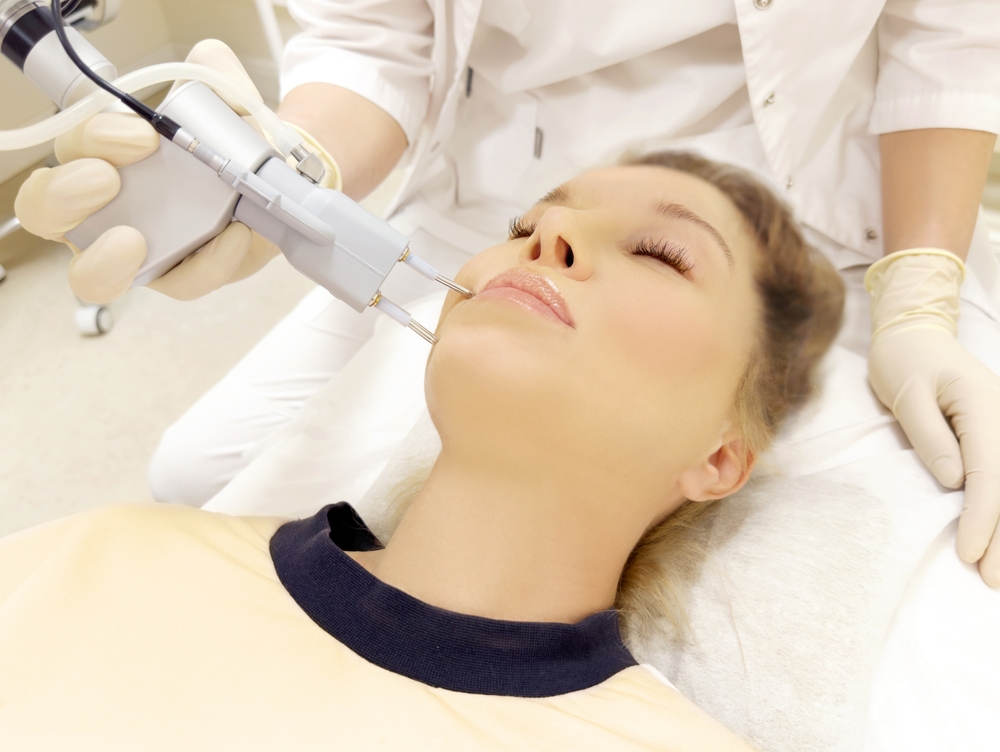
Laser treatment for pigmentation uses targeted light energy to break apart melanin deposits through a principle called selective photothermolysis. The laser delivers concentrated energy that’s absorbed specifically by the dark pigment in age spots, leaving surrounding healthy tissue unaffected.
Once the laser energy hits the melanin, it fragments these concentrated pigment deposits into tiny particles. Your body’s immune system then naturally eliminates these fragments through lymphatic drainage over the following weeks, gradually revealing clearer, more even-toned skin underneath.
The results can be dramatic for existing sun spots without damaging the healthy skin around them.
Different Laser Types for Different Needs
Several laser technology options exist for treating pigmentation, each working through different mechanisms:
- Q-switched lasers: These deliver nanosecond pulses that create photoacoustic effects, mechanically shattering pigment particles. They’re among the most precise options available, operating at specific wavelengths (532nm, 755nm, 1064nm) that target different pigmentation depths. This laser technology is considered the gold standard for many pigmented lesions.
- Intense Pulsed Light (IPL): This treatment option uses filtered broad-spectrum light rather than a single wavelength. IPL typically requires more sessions than Q-switched lasers but offers a gentler approach that many patients with sensitive skin types find more tolerable. It can also address mixed pigmentation concerns simultaneously.
- Fractional Lasers: These create controlled micro-injuries in a grid pattern throughout the treatment area. The controlled damage promotes cellular turnover and collagen production while gradually eliminating pigment through enhanced skin renewal processes. This approach offers the added benefit of improved skin texture beyond just pigmentation removal.
According to the University of Michigan Medicine, most patients see significant improvement within 2-3 treatment sessions when using appropriate laser technology for their specific skin type and pigmentation pattern.
The Brutal Truth: Why New Age Spots Keep Appearing After Treatment
Your Skin’s “Memory” Never Forgets Sun Damage
Laser treatment doesn’t alter the underlying melanocytes or create any UV-protective barrier.
These pigment-producing cells exist throughout your skin—not just where visible age spots previously appeared. When UV rays penetrate your skin after laser treatment, these melanocytes still respond by producing excess melanin in response to that sun exposure, creating new dark spots over time.
The concept of “field cancerization” explains why new pigmentation often appears near previously treated areas. Years of sun exposure create genetic mutations in skin cells across sun-exposed areas. While laser removal eliminates visible dark spots, these underlying cellular changes persist and eventually manifest as new age spots.
Areas with previous sun damage remain more reactive to future UV exposure, making new pigmentation likely without prevention.
What Triggers New Spots to Form
Multiple factors accelerate new pigmentation development after laser treatment:
- Cumulative UV exposure: Daily sun exposure accumulates over time, including reflected UV rays from water, concrete, and snow, as well as through car windows. These indirect exposures add up significantly. According to UC Davis Health, UV exposure is the primary driver of ongoing age spot formation, making consistent protection essential to maintain treatment results.
- Genetic predisposition: Some people naturally produce more melanin in response to sun damage due to genetic variations affecting melanocyte function. These individuals develop new sun spots faster despite diligent prevention efforts and may require more frequent maintenance treatments to preserve results.
- Hormonal changes and medications: Pregnancy hormones, hormone replacement therapy, and certain medications (including some antibiotics, blood pressure medications, and anti-inflammatory medications) increase photosensitivity and the risk of pigmentation. These factors can accelerate the development of new age spots, even with sun protection measures in place.
Can Anything Actually PREVENT New Spots? (Yes, But It Takes Work)
The Non-Negotiable Sun Protection Rules
A multi-layered prevention approach is essential after laser treatment. No single method provides complete protection against UV rays, but combining these strategies dramatically reduces new age spot formation:
- Daily Broad-Spectrum Sunscreen (SPF 30 or higher)
Apply one ounce (approximately two tablespoons) of sunscreen for full body coverage, and reapply every two hours or immediately after swimming or sweating. Most people apply only 25-50% of the needed amount, which significantly reduces the actual sun protection achieved. Choose formulas that block both UVA and UVB radiation for comprehensive defense.
- Physical Sun Protection
Wide-brimmed hats with at least four-inch brims shield your face, neck, and ears from direct and reflected UV exposure. UV-protective clothing with tight weaves or special UV-blocking treatments provides reliable coverage for arms and torso. Seek shade between 10 a.m. and 2 p.m. when UV rays reach peak intensity—though remember that shade alone doesn’t block all UV rays since they reflect off surfaces.
- Quality Sunglasses with 100% UV Protection
Proper eye protection prevents damage to delicate eye structures and reduces squinting that contributes to wrinkle formation around the eyes. Large wraparound styles offer the best defense by blocking UV rays from multiple angles and preventing peripheral light exposure.
- Avoid Tanning Beds Completely
Mayo Clinic research shows tanning beds dramatically increase melanoma risk and represent one of the biggest accelerators of new age spot formation after laser therapy. Complete avoidance is essential for maintaining your treatment investment.
Professional Maintenance Strategies
Topical treatments provide additional support for prevention efforts. Vitamin C serums help neutralize free radicals generated by UV exposure. At the same time, prescription-strength retinoid creams promote healthy cell turnover and may help prevent abnormal melanin production patterns from developing in the skin layers.
Professional follow-up appointments every six to twelve months allow early detection of new pigmentation when it’s most responsive to intervention. Your dermatologist may recommend maintenance Chemical Peels or touch-up laser sessions based on your individual skin response and emerging pigmentation patterns.
What results can you realistically expect long-term?
Success Stories vs. Reality Check
Patients who combine laser therapy with consistent sun protection maintain clear skin tone for many years.
Realistic expectations mean understanding that while laser removal permanently eliminates age spots from treated locations, new solar lentigines will form in other areas without diligent prevention. This isn’t a one-time fix but rather an ongoing commitment to skin health and UV protection.
Several factors affect how long your results last. Your skin type, daily sun exposure patterns, genetic predisposition to pigmentation, and lifestyle choices all influence how quickly new dark spots appear after treatment. Fair skin tones often develop new sun spots more rapidly with minimal UV exposure, while naturally darker skin may show more gradual changes.
Most patients eventually need maintenance treatments or enhanced prevention strategies as cellular repair mechanisms naturally decline with age.
Is laser treatment worth it if spots just come back?
Making the Decision
Yes, laser treatment is worthwhile if you’re committed to prevention habits. No, it’s not the right choice if you expect a permanent solution without lifestyle modifications.
Certain patients benefit most from laser treatment for pigmentation:
- Those with realistic expectations about ongoing sun protection requirements and the need for consistent topical regimen adherence understand that laser therapy is one component of comprehensive pigmentation management, not a standalone cure
- Individuals with significant existing pigmentation causing cosmetic concerns or affecting confidence find that removing current dark spots provides meaningful improvement in appearance and quality of life, making the prevention effort worthwhile
- Patients willing to invest in professional follow-up care recognize that dermatologist-guided skincare, regular monitoring through physical exam and digital imaging, and maintenance treatments preserve their investment and maintain results over time
Your Clear Skin Future Starts with This Decision
Laser treatment for pigmentation effectively removes existing age spots by precisely targeting melanin deposits, but it doesn’t prevent new spots from forming. The melanocytes throughout your skin continue to respond to UV exposure by producing excess pigment, making sun protection essential to maintain results.
Success requires combining professional laser therapy with comprehensive daily prevention—including Broad-Spectrum Sunscreen, protective clothing, avoidance of tanning beds, and lifestyle modifications that minimize exposure to UV rays. Patients who maintain consistent sun protection habits and attend regular follow-up appointments preserve their clearer skin tone for years.
Schedule a consultation with Millcreek Dermatology to discuss laser treatment options and develop a personalized prevention plan. Our board-certified dermatologists will evaluate your skin type, assess your pigmentation concerns, and create a comprehensive approach to achieving and maintaining the clear, even-toned skin you deserve.
FAQs
How to get rid of hyperpigmentation?
Hyperpigmentation responds to several treatment approaches depending on severity and type. Topical treatments, including prescription-strength creams containing hydroquinone, retinoids, or glycolic acid, can gradually fade dark spots over several months. Chemical peels accelerate cellular turnover, revealing fresh skin layers beneath pigmented areas.
For stubborn pigmentation, laser treatments such as Q-switched lasers or Intense Pulsed Light can provide more dramatic results by directly targeting melanin deposits. Many patients achieve best outcomes by combining topical regimen products with professional treatments. Consistent sun protection with SPF 30 or higher prevents existing hyperpigmentation from darkening and stops new dark spots from forming.
What helps with hyperpigmentation?
Multiple approaches help reduce skin pigmentation and prevent worsening. Daily application of broad-spectrum sunscreen is the single most important step, as UV exposure darkens existing spots and triggers new melanin production. Topical creams containing ingredients such as Vitamin C, niacinamide, kojic acid, and azelaic acid help gradually fade discoloration.
Professional treatments, including chemical peels, laser resurfacing, and microneedling, accelerate improvement by promoting skin renewal and collagen production. According to Mayo Clinic, combining sun protection with appropriate topical treatments and professional procedures produces the most significant, lasting improvement in pigmented skin blemishes.
Does retinol help with hyperpigmentation?
Yes, retinol helps reduce hyperpigmentation through multiple mechanisms. This vitamin A derivative accelerates cell turnover, helping shed pigmented skin layers more quickly while promoting the development of fresh, evenly toned skin underneath. Retinoids also help disperse concentrated melanin deposits throughout skin layers.
Prescription-strength retinoids like tretinoin work faster and more effectively than over-the-counter retinol products, though both can produce results with consistent use. Most people notice gradual fading of dark spots over three to six months of regular application. However, retinol alone won’t prevent new pigmentation without diligent sun protection—UV rays can darken spots faster than retinoids can fade them.
How long does hyperpigmentation last?
The duration of hyperpigmentation varies significantly depending on the cause, depth, and treatment approach. Post-inflammatory hyperpigmentation from acne or minor injuries may fade naturally over six to twelve months without treatment. Deeper pigmentation, such as melasma or long-standing age spots, often persists for years or even permanently without intervention.
With appropriate treatment—whether topical treatments, chemical peels, or laser therapy—most patients see noticeable improvement within three to six months. However, some stubborn pigmentation requires extended treatment periods of twelve months or longer. Without sun protection, even successfully treated hyperpigmentation can return within weeks of UV exposure, making prevention essential for lasting results.
Does laser hair removal help with hyperpigmentation?
Laser hair removal doesn’t directly treat hyperpigmentation and may, in some cases, worsen existing dark spots. The laser energy used for hair removal targets melanin in hair follicles, but it can also affect melanin in surrounding skin, potentially causing post-inflammatory hyperpigmentation, especially in darker skin tones.
However, laser hair removal may indirectly reduce certain types of hyperpigmentation by eliminating ingrown hairs and reducing inflammation from shaving or waxing. If you have both concerns, discuss them with your dermatologist—they may recommend treating pigmentation first with a laser specifically designed for skin pigmentation, then proceeding with laser hair removal once your skin tone has improved and stabilized.
Citations/Sources:
- https://medicine.umich.edu/dept/cosmeticderm/procedures/laser-treatments/sun-spots-age-spots-other-pigmented-lesion-removal
- https://health.ucdavis.edu/blog/cultivating-health/want-to-get-rid-of-age-spots-tips-to-prevent-and-reduce-dark-spots/2024/06
- https://www.mayoclinic.org/diseases-conditions/age-spots/symptoms-causes/syc-20355859
- https://www.mayoclinic.org/diseases-conditions/age-spots/diagnosis-treatment/drc-20355864