
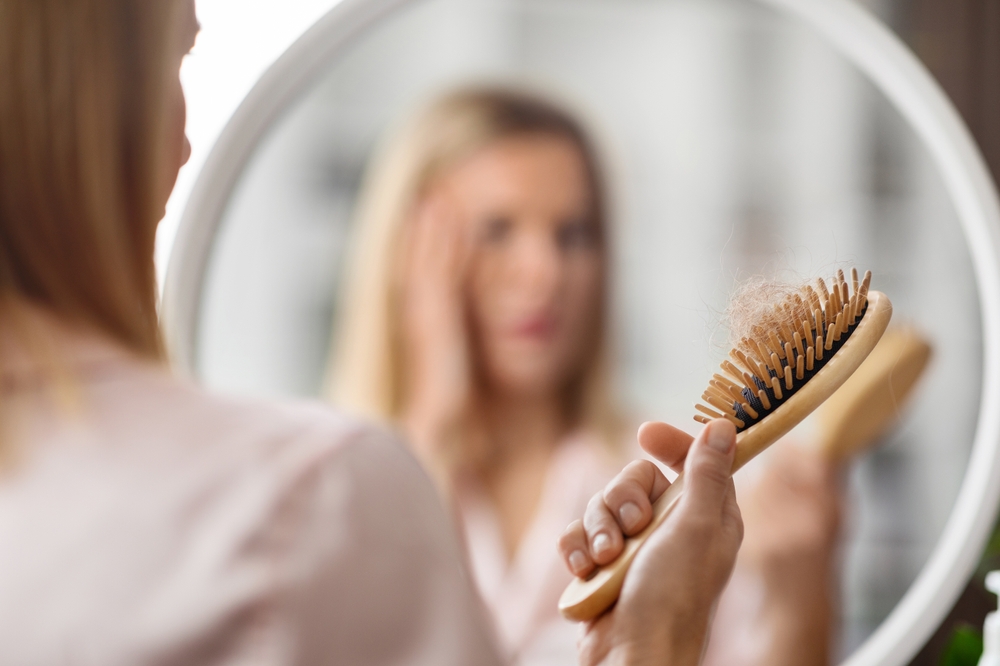
Dermatologists can diagnose different types of alopecia through physical examination of your scalp, specialized hair tests, and lab work that identifies the specific cause of your hair loss. Hair loss affects over 50 million Americans, making accurate diagnosis essential for effective treatment. Dermatologists employ a systematic, multi-step approach combining clinical examination, specialized tests, and laboratory analysis to distinguish between various alopecia types. This process enables targeted treatment plans that address the specific underlying cause of hair loss, whether androgenetic alopecia, alopecia areata, or scarring conditions like lichen planopilaris.
Understanding how medical professionals diagnose different forms of alopecia empowers patients to seek appropriate care and make informed decisions about their treatment options.
Overview: The Diagnostic Process for Alopecia
- Clinical examination using dermatoscopes evaluates hair density, distribution patterns, and scalp condition to guide further testing
- Specialized tests like the hair pull test and dermoscopy assess active shedding and follicle health through simple office procedures with immediate results
- Laboratory blood work identifies underlying conditions such as thyroid disease, iron deficiency, and hormonal imbalances that contribute to hair loss in up to 30% of patients
- Scalp biopsy procedures provide definitive microscopic analysis of follicle structure and inflammatory changes when diagnosis remains uncertain after initial evaluation
- Treatment planning based on accurate diagnosis and severity assessment helps select targeted therapies that improve success rates
About the Five W’s of Alopecia Diagnosis
Board-certified dermatologists trained in hair disorders conduct thorough evaluations for patients experiencing hair loss, ranging from subtle thinning to complete baldness. The diagnostic process begins with detailed medical history collection examining hair loss timeline, family history, medications, and associated symptoms like nail changes that may indicate autoimmune conditions. Dermatology clinics equipped with special tools like dermatoscopes, trichoscopes, and biopsy equipment provide the ideal environment for accurate diagnosis, though some procedures require specialized pathology laboratories for tissue analysis.
Professional diagnosis is essential because different alopecia types need different treatments. Androgenetic alopecia responds to topical minoxidil and oral medications, while alopecia areata may need JAK inhibitors or corticosteroids. Misdiagnosis leads to ineffective treatment and continued hair loss. This is especially concerning with scarring alopecia, where early identification and prompt treatment prevent permanent follicle damage.
Patients should seek evaluation when hair loss lasts more than six months, sudden onset of circular bald patches occurs, or scalp inflammation develops. Early consultation significantly improves treatment outcomes, especially for conditions requiring immediate intervention to preserve remaining hair follicles and prevent disease progression.
Weighing Professional Diagnosis: Benefits and Considerations
Arguments for Thorough Professional Evaluation:
Dermatologists have advanced diagnostic tools that help identify complex alopecia presentations better than general practitioners. Special equipment like trichoscopes shows microscopic hair shaft abnormalities that aren’t visible to the naked eye, including miniaturization patterns characteristic of androgenetic alopecia and exclamation mark hair typical of alopecia areata. This technology enables detection of early-stage changes before significant hair density loss becomes clinically apparent.
Professional diagnosis also gives you access to the latest treatments. Dermatologists prescribe JAK inhibitors for alopecia areata, perform platelet-rich plasma injections for pattern baldness, and recommend hair transplant surgery when appropriate. General practitioners don’t offer these advanced therapies, which require specific expertise for proper patient selection and monitoring.
Experienced dermatologists can identify complex cases involving multiple types of hair loss at once. Mixed presentations, such as androgenetic alopecia with superimposed telogen effluvium, require sophisticated diagnostic skills that come from years of training and clinical experience. This experience prevents treatment delays and helps properly manage all factors affecting the hair cycle.
Considerations Regarding Professional Consultation:
Cost may influence your decision, especially when insurance coverage for hair loss evaluation is limited. Complete diagnostic workups including punch biopsy and extensive lab panels can mean significant out-of-pocket costs for some patients. However, accurate diagnosis often prevents costly trial-and-error treatments that don’t work.
Over-testing can happen in straightforward cases where pattern baldness presents with classic male-pattern balding or female distribution patterns. Some practitioners may order extensive laboratory work when clinical diagnosis appears obvious, increasing costs without changing treatment recommendations. Experienced dermatologists balance thorough testing with cost-effectiveness based on your presentation.
Time investment requirements include multiple appointments for complete evaluation, biopsy results, and treatment planning. Busy patients may prefer immediate over-the-counter treatments rather than professional assessment, though this approach often proves less effective long-term. The initial time investment usually leads to better outcomes and reduced long-term treatment duration.
Diagnostic Summary: Evidence-Based Approach
Research shows that systematic diagnostic approaches significantly improve treatment outcomes compared to trying treatments without proper diagnosis. Research shows that accurate alopecia subtype diagnosis significantly improves treatment satisfaction and outcomes. This improvement comes from selecting treatments based on the specific disease mechanisms affecting your hair follicles.
The American Academy of Dermatology stresses the importance of distinguishing between scarring and non-scarring alopecia types, as treatment approaches differ dramatically. Scarring alopecias like lichen planopilaris and folliculitis decalvans require immediate intervention to prevent permanent follicle destruction, while non-scarring types offer more treatment flexibility and better long-term prognosis. Early recognition of scarring conditions can preserve remaining hair and prevent disease progression.
Recent advances in diagnostic technology, including artificial intelligence-assisted pattern recognition and genetic testing for androgenetic alopecia susceptibility, continue expanding diagnostic accuracy. These innovations complement traditional assessment methods, giving dermatologists increasingly advanced tools for precise diagnosis. Digital dermoscopy systems now offer quantitative hair density measurements and automated pattern analysis that reduce variation in interpretation.
Studies suggest that a significant percentage of patients with diffuse hair loss have underlying medical conditions contributing to their alopecia. Thyroid dysfunction, iron deficiency, and autoimmune diseases frequently remain undiagnosed without proper medical evaluation, highlighting the value of assessment beyond visual examination alone. Identifying these conditions often leads to significant improvement in hair loss when appropriately treated.
Professional monitoring helps maintain the right treatment duration and prevents stopping effective therapies too early. Different alopecia types respond at varying rates, with some showing improvement within months while others require years of treatment. Professional monitoring helps achieve the best treatment duration and prevents premature discontinuation of effective therapies.
Clinical Examination Techniques for Identifying Alopecia Patterns
The clinical examination starts with collecting your medical history, focusing on when your hair loss started, family history, medications, and associated symptoms. Dermatologists document onset patterns, sudden versus gradual, localized versus diffuse, as these characteristics provide diagnostic clues. Sudden onset typically suggests alopecia areata or telogen effluvium, while gradual progression indicates androgenetic alopecia affecting the hair follicle miniaturization process.
Physical examination starts with overall scalp assessment under good lighting. The dermatologist evaluates hair density across different scalp regions, noting areas of thinning or complete hair loss. Distribution patterns get particular attention, as androgenetic alopecia follows predictable patterns while alopecia areata presents with random circular patches. Frontal fibrosing alopecia creates characteristic frontal hairline recession with eyebrow involvement.
Dermoscopy examination follows standard visual assessment using special magnifying devices with polarized light. This technique reveals microscopic abnormalities including hair shaft caliber variations, follicular plugging, and vascular changes associated with different alopecia types. Yellow dots characteristic of alopecia areata, peripilar signs indicating active inflammation, and miniaturized hairs suggesting pattern baldness become clearly visible under dermoscopic evaluation.
Scalp palpation assesses skin texture, temperature, and presence of inflammation or scarring. Scarring alopecias like discoid lupus erythematosus produce firm, smooth areas with absent follicular openings, while non-scarring types maintain normal skin texture with visible follicular structures. Inflammatory conditions may present with warmth, tenderness, or erythema that guides treatment urgency and helps differentiate between conditions like lichen planopilaris and traction alopecia.
Conclusion
Accurate alopecia diagnosis requires a systematic evaluation combining clinical examination with dermoscopy, specialized testing like the hair pull test, and when necessary, thorough lab work assessing thyroid function, iron stores, and hormonal balance. Dermatologists distinguish between scarring conditions like lichen planopilaris that need immediate treatment to prevent permanent follicle damage, and non-scarring types like androgenetic alopecia or alopecia areata that offer better long-term outcomes with proper treatment.
Scalp biopsy provides definitive diagnosis when the clinical picture remains unclear, with horizontal sectioning revealing follicle density, miniaturization patterns, and inflammatory changes that guide treatment selection. Understanding whether your hair loss stems from your immune system, hormonal influences, nutritional deficiencies, or genetic factors enables targeted therapy ranging from topical minoxidil to JAK inhibitors or platelet-rich plasma injections.
Early professional evaluation significantly improves treatment outcomes by identifying underlying conditions before they cause irreversible changes. A complete assessment addresses both visible hair loss and related concerns including emotional distress from altered appearance. Professional diagnosis prevents ineffective trial-and-error approaches that delay proper treatment, particularly crucial for conditions where timing directly impacts follicle preservation and regrowth potential. If you’re in Salt Lake City and need help managing alopecia, come by and see us!
FAQ’s
Why Is My Hair Falling Out?
Hair shedding happens through natural cycling where follicles move between growth, regression, and resting phases. Normal shedding varies based on your hair density and individual factors. Excessive shedding may indicate telogen effluvium, where more follicles enter the resting phase due to stress, illness, nutritional deficiencies, or hormonal changes. Pattern hair loss affects both men and women through genetic sensitivity to androgens, causing progressive follicle shrinkage that reduces hair thickness and growth duration. Seasonal variations and temporary causes like tight hairstyles or chemical treatments can also contribute to increased shedding.
What Is Alopecia?
Alopecia describes any condition causing hair loss from the scalp or body, with numerous types having different causes and treatments. Non-scarring alopecia includes pattern baldness, patchy hair loss, temporary shedding, and traction from tight hairstyles. These conditions preserve follicle structures, allowing potential regrowth with proper treatment. Scarring alopecia permanently destroys hair follicles through inflammation, including conditions like lichen planopilaris and discoid lupus. Each type requires different treatment strategies, from topical medications for limited patches to systemic therapies for extensive involvement. Accurate diagnosis determines whether you need immediate treatment or can wait and watch.
What Causes Hair Loss?
Hair loss results from various mechanisms affecting follicles through genetics, immune system problems, hormones, nutritional deficiencies, medications, infections, or inflammation. Pattern baldness stems from genetic sensitivity to certain hormones, causing progressive follicle shrinkage. Autoimmune conditions develop when immune cells mistakenly attack follicles, disrupting growth without permanent damage. Thyroid disease affects growth through metabolic disruption, while iron deficiency impairs follicle function. Mechanical factors like tight hairstyles, chemical treatments, and heat styling cause breakage. Scalp conditions create inflammation affecting growth, while fungal infections directly damage follicles requiring antifungal therapy.
Can Dandruff Cause Alopecia?
Dandruff, or seborrheic dermatitis, creates scalp inflammation and flaking through yeast overgrowth that rarely causes significant hair loss directly. The condition produces itching that may lead to scratching, potentially causing temporary breakage. Severe, untreated cases occasionally contribute to temporary shedding through chronic inflammation, though most people with dandruff maintain normal hair density. Pattern baldness commonly coexists with dandruff without causal relationship. Scalp psoriasis creates more substantial inflammation potentially impacting growth. Fungal infections mimic dandruff but cause true hair loss requiring different treatment. Proper diagnosis distinguishes between benign dandruff and conditions requiring aggressive treatment.
How Much Hair Shedding Is Normal per Day for Men?
Men typically shed hair daily through normal turnover, though this varies individually. Most follicles remain in the active growth phase for years, while some cycle into resting phases before shedding. This produces continuous loss balanced by new growth, maintaining stable density. Men may notice more shedding during shampooing without indicating problems. However, sustained excessive loss over several months warrants evaluation. Men experiencing receding hairline, crown thinning, or increasing scalp visibility should.
Cited Sources
- Journal of Clinical Medicine – Comprehensive diagnostic approaches in alopecia
- American Academy of Dermatology – Hair loss diagnosis and treatment guidelines
- NYU Langone – Hair loss diagnostic protocols
- Journal of the American Academy of Dermatology – Recent advances in alopecia diagnosis
- Healthline – Blood tests for hair loss evaluation
- National Institute of Arthritis and Musculoskeletal and Skin Diseases – Alopecia areata guidelines
- PubMed – Treatment outcomes in different alopecia types
- PMC – Treatment outcomes research